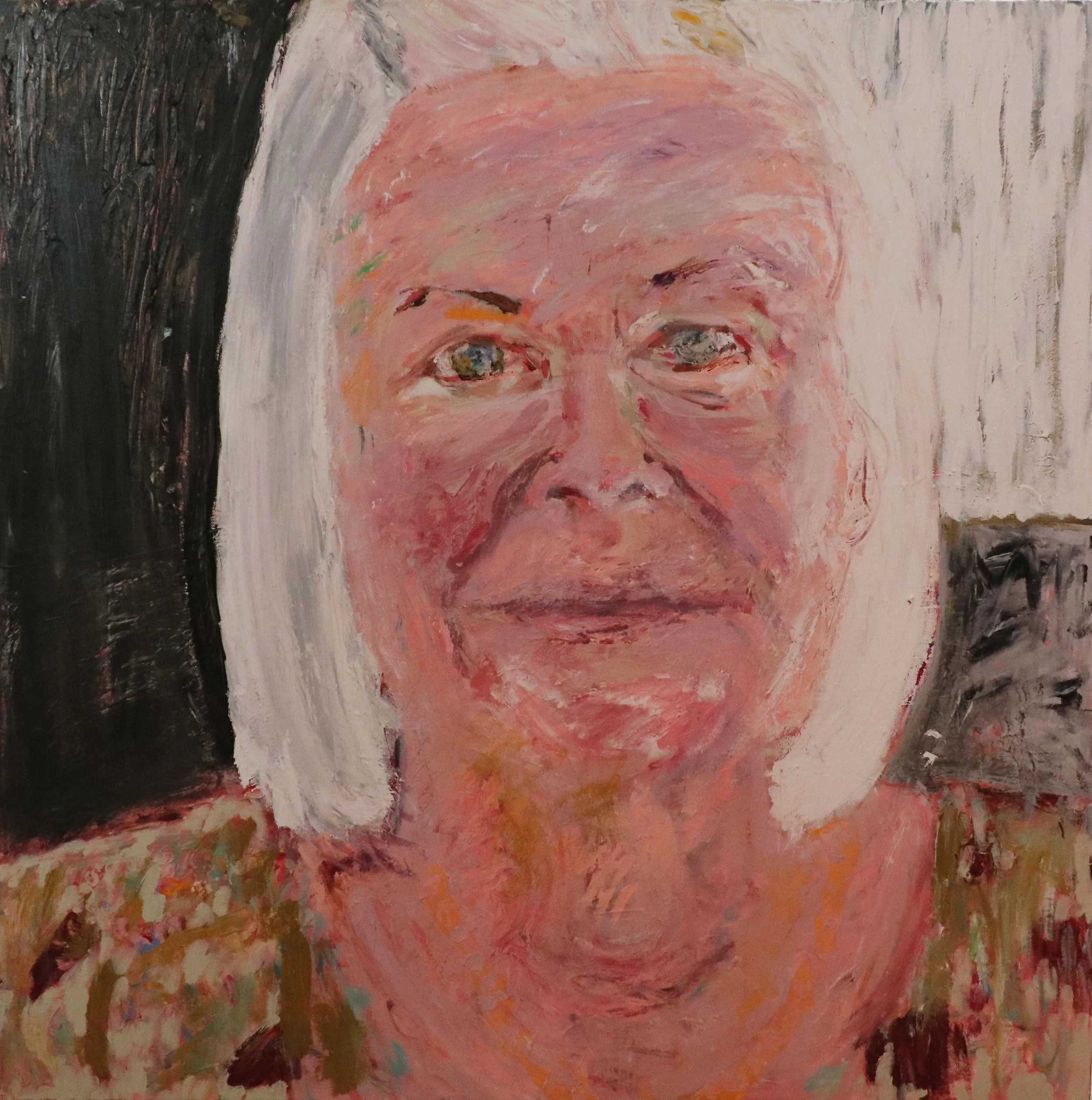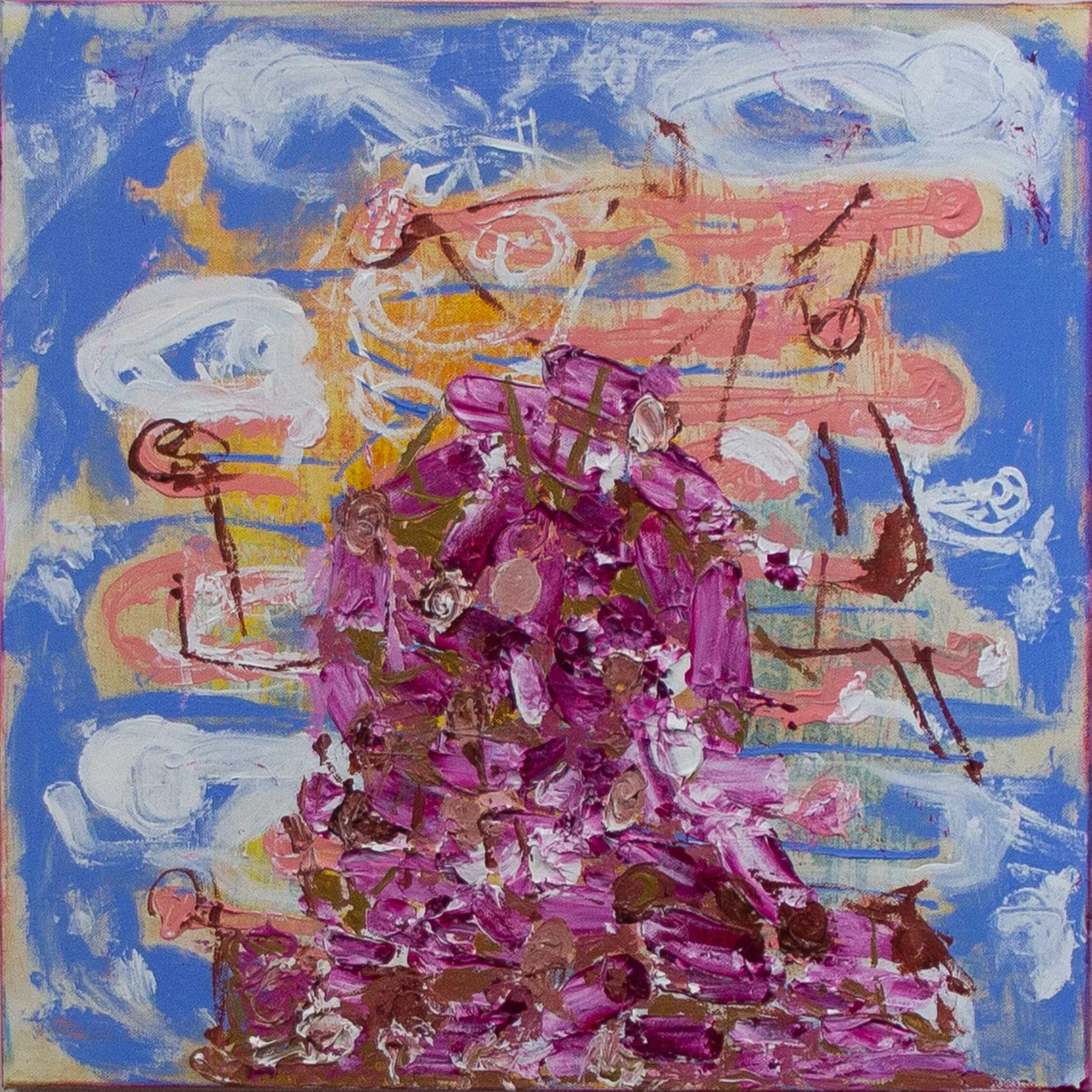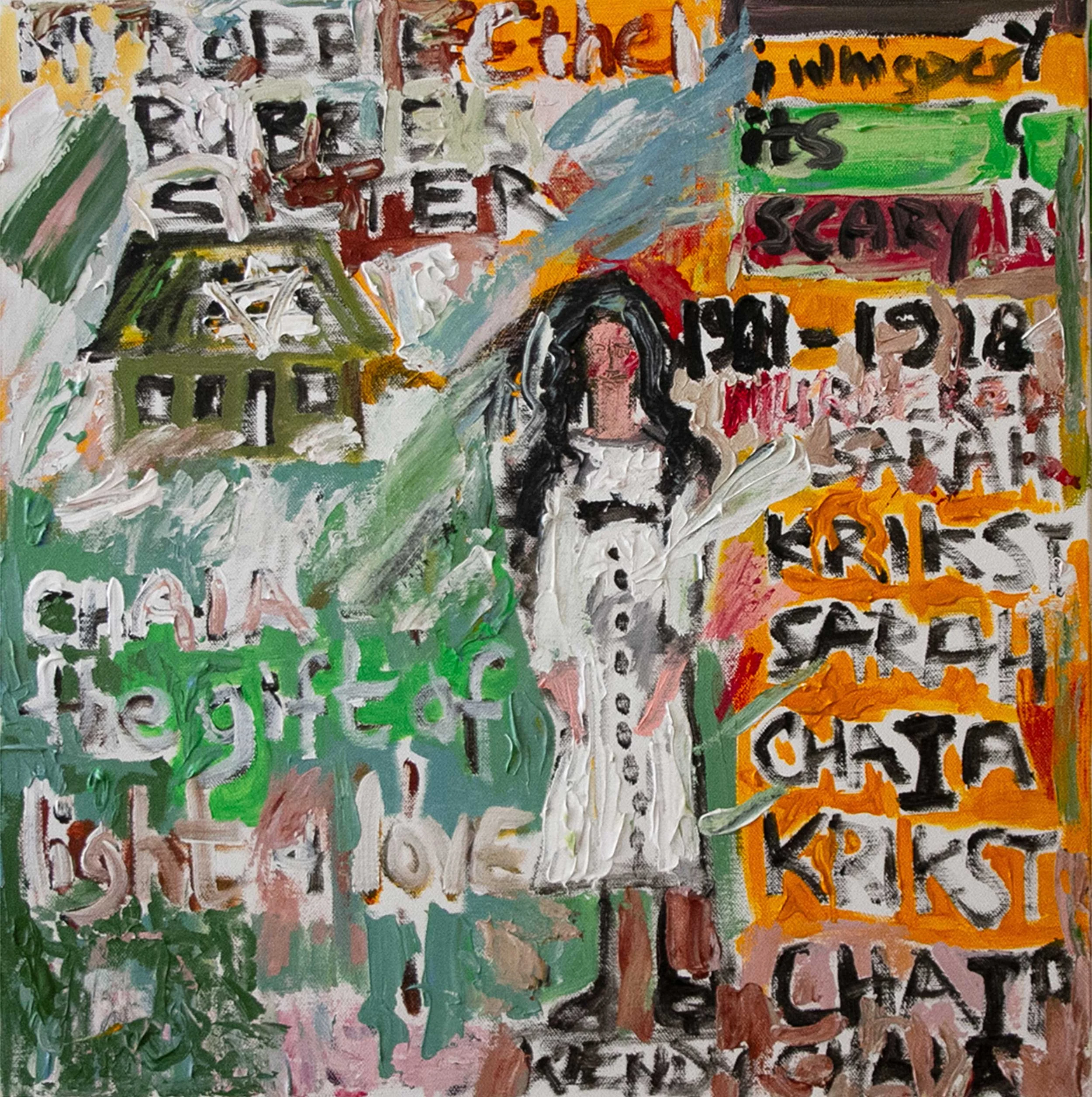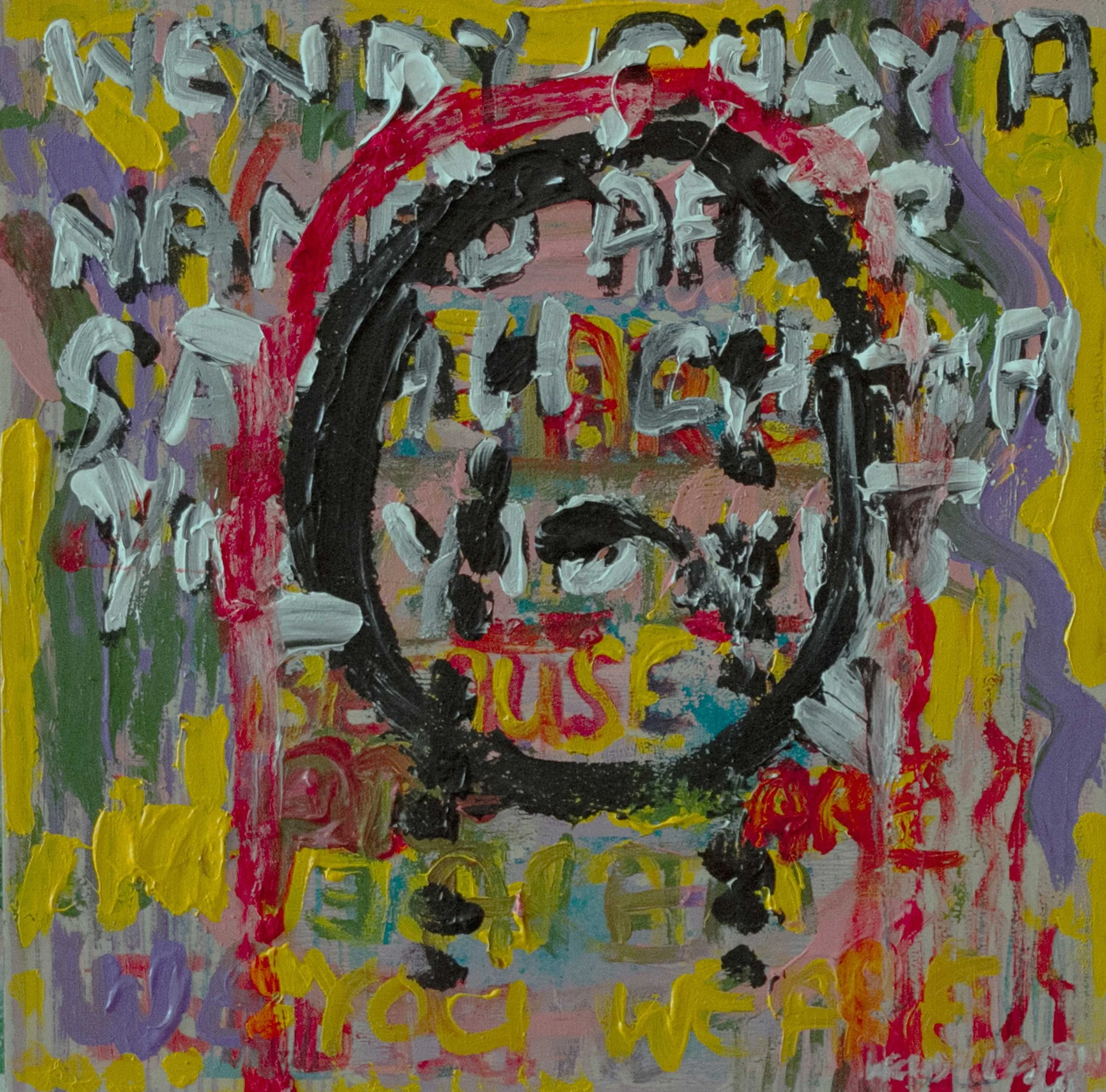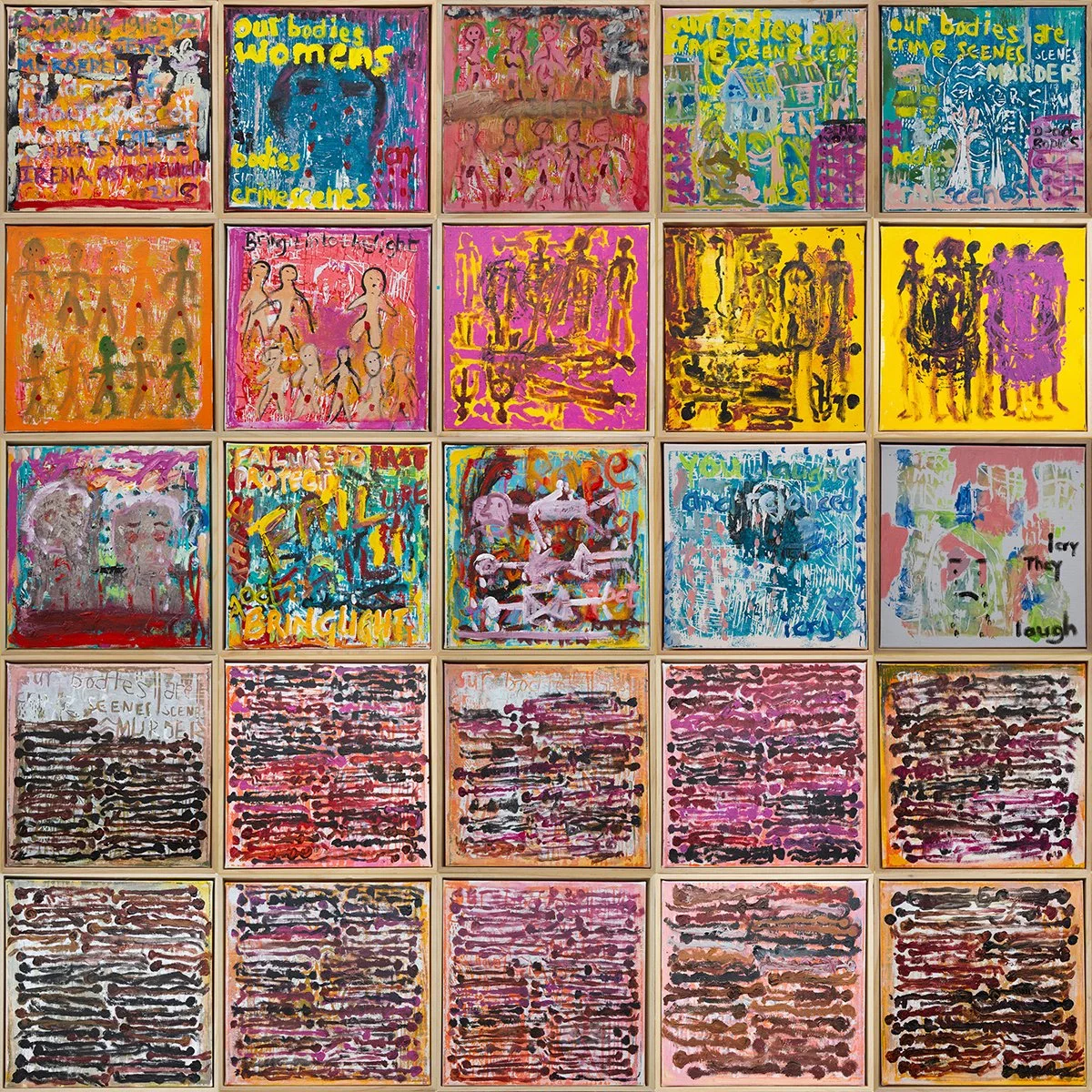
Art Exhibition WOMEN, POGROMS, LOVE 29 October - 8 November 2025, Randwick, Sydney.
SYLVIA HROVATIN OPENING ADDRESS
Sylvia Hrovatin, passionate lover of the arts, accomplished town planner known for her commitment to community design, honoured the exhibition with a beautiful and heartfelt opening address.
Words from Sylvia Hrovatin “Good afternoon art lovers and people who love chatting to others and people who love being in a room surrounded by someone’s creativity. A warm welcome to you all. I’m Sylvia Hrovatin, and I have the pleasure of opening this powerful exhibition, “Women, Pogroms, Love”, by my dear friend, Wendy Lessick Bookatz.
Wendy, thank you for asking me to do this. I am deeply honoured, and just a little overwhelmed - because I am standing in a room surrounded by 200 of your works. I know how much of your heart, your history, and your strengths fill this space.
I first met Wendy at a dinner party hosted by my neighbour Monica, in 2013. We clicked immediately, as sometimes happens when you meet someone whose inner world feels familiar.
I grew up with art all around me, on the walls, and sometimes on the ceilings. My father was an electrician, but he studied at the National Art School at night. So creativity was always part of the current that ran through our family life.
Perhaps that is why I have always been drawn to artists, to people like Wendy, who see the world in layers of light and shadow, colour and feeling, courage and compassion.
Much of what you’ll see here stems from Wendy’s time working in an NGO supporting women experiencing domestic violence, hearing stories that shocked and galvanised her. She began painting/drawing this subject matter because she had to, because once you know the scale of that suffering, you can’t unknow it.
And yet, her story reaches even deeper, to her own family history. Through her son Sam’s school project in 2005, Wendy learned for the first time of her great aunt, Sarah Chaya Krikst, who, at just seventeen, was raped and murdered during a pogrom in 1918 in what is now Lithuania. Wendy carries her name, Chaya, and, in a sense, her legacy.
But Wendy didn’t begin to paint these stories until recently, in 2024. Something about the timing feels right, as if it took years for the emotional soil to be ready for the seeds of this work to grow.
What I see in Wendy now, perhaps more than anything, is confidence.
Confidence to take up space.
To fill the gallery with her truth.
To invite us in, and to risk being seen.
And maybe that is what love really is: the courage to be seen as you are. The confidence to let others look, and not look away.
I live with Wendy’s paintings on my own walls. I see them every day, and what I love about them is her use of colour and form.
Those two elements combine to create something alive, almost breathing. Even when the subject matter is dark, there is light breaking through the surface. That is Wendy’s signature. She turns pain into presence and despair into depth.
For years her printing teacher bemoaned the dark subject matter of her work. Then recently her cousin told her, “Your work is too dark, too full of misery”. And she took his comments on board. And then painted love.
Because love is not the opposite of darkness, it is what survives it.
So this afternoon, we are not just looking at paintings. We are witnessing a life of a woman, an artist, a mother, a friend, who dares to tell stories that matter.
Wendy, thank you for your honesty, your friendship, and your art.
Congratulations on this remarkable exhibition.
It is now my great pleasure to declare “Women, Pogroms, Love” officially open.”
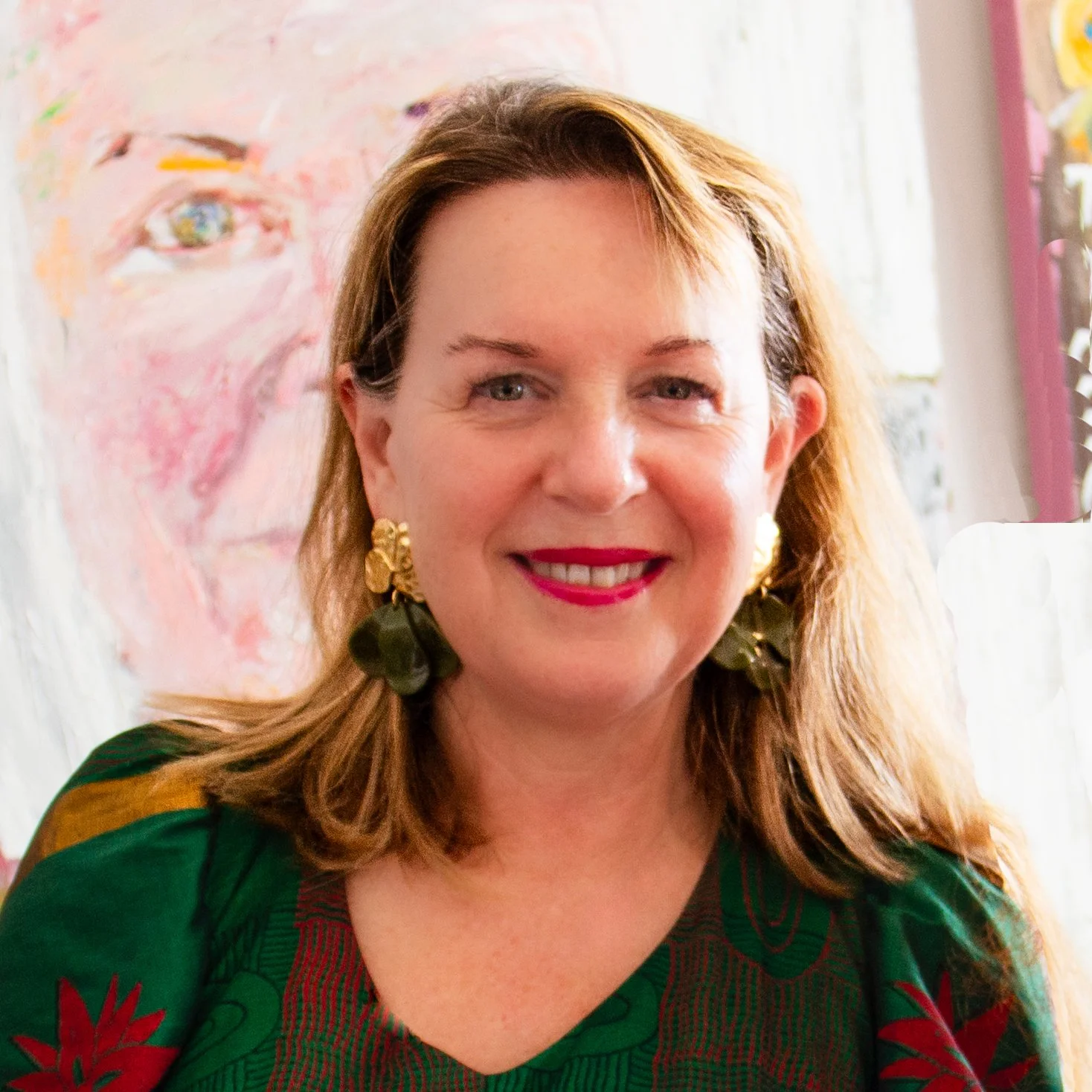
Sylvia Hrovatin at the exhibition
From Wendy: Thank you to everyone who visited Women, Pogroms, Love. Thank you for standing with me in my journey of memory, resilience, and love. Again, a special thank you to you Sylvia, for your warm and generous opening address.
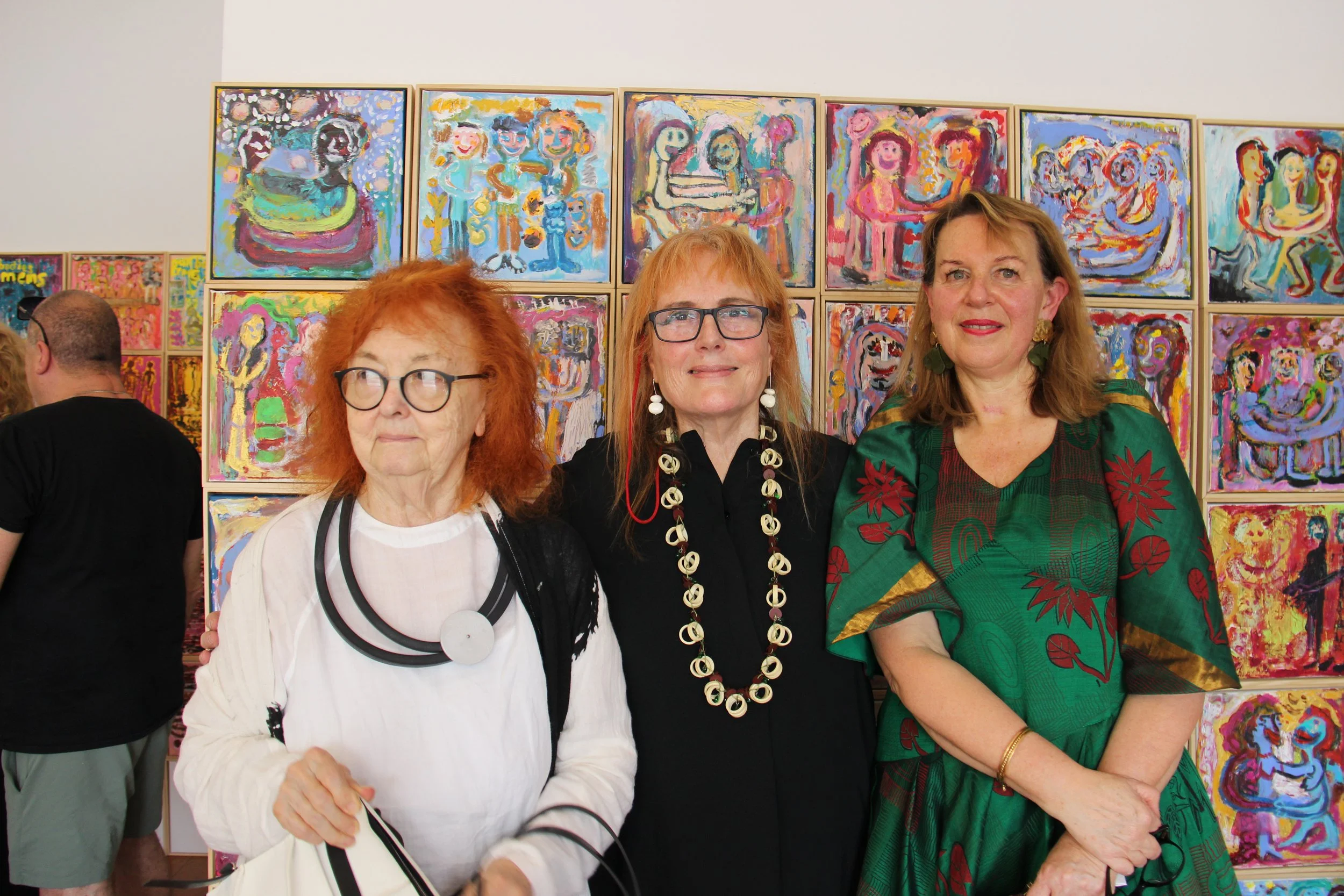
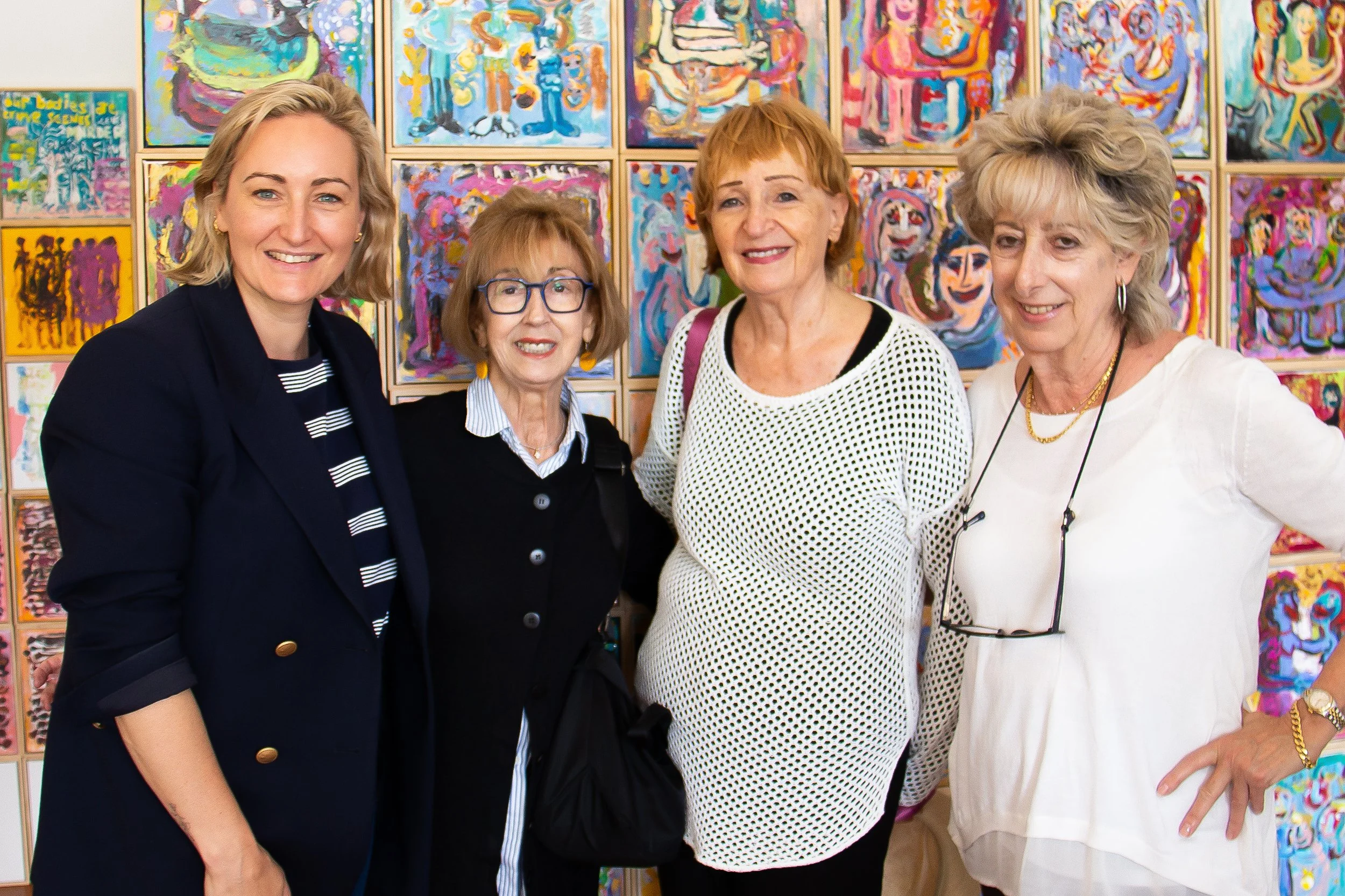
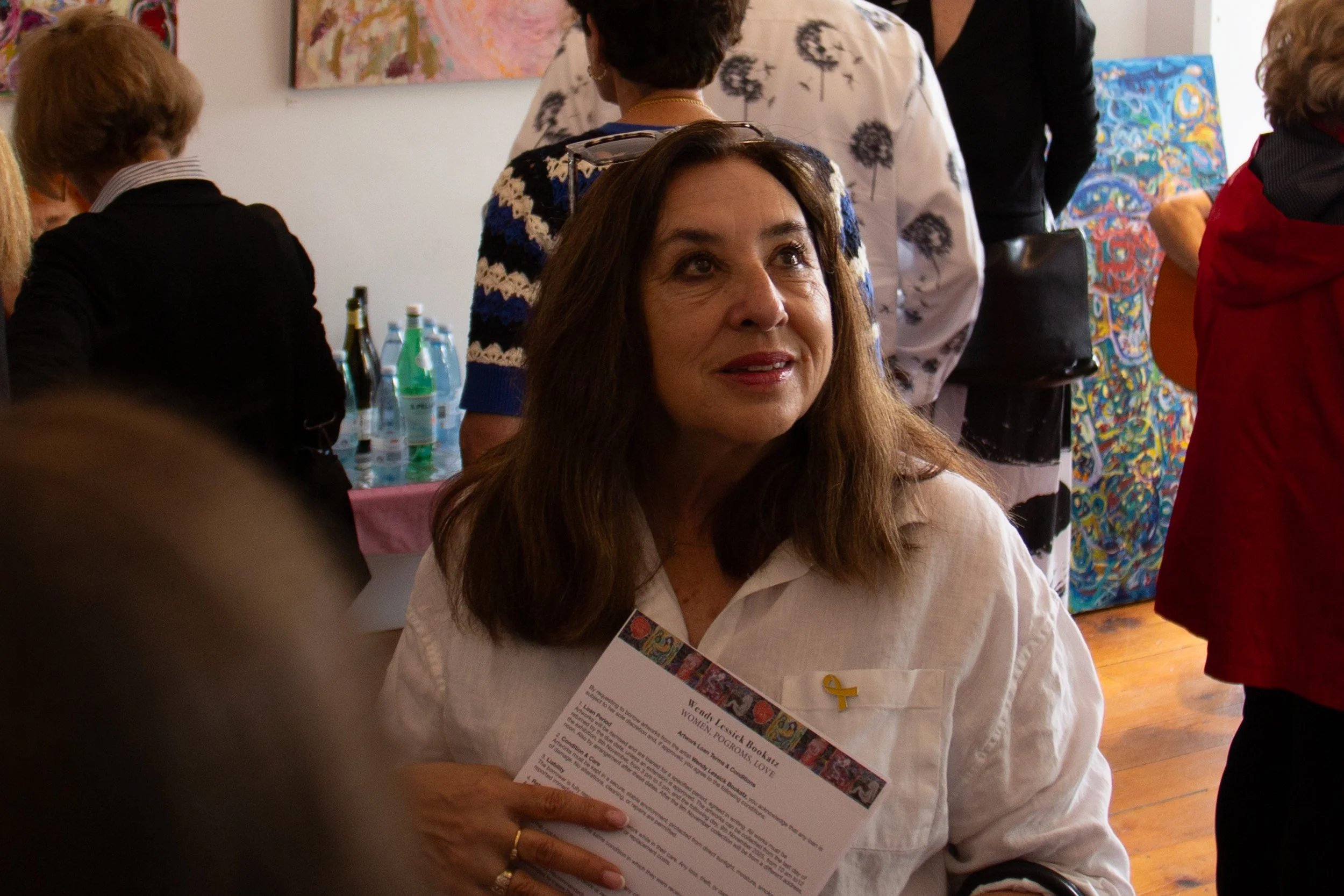
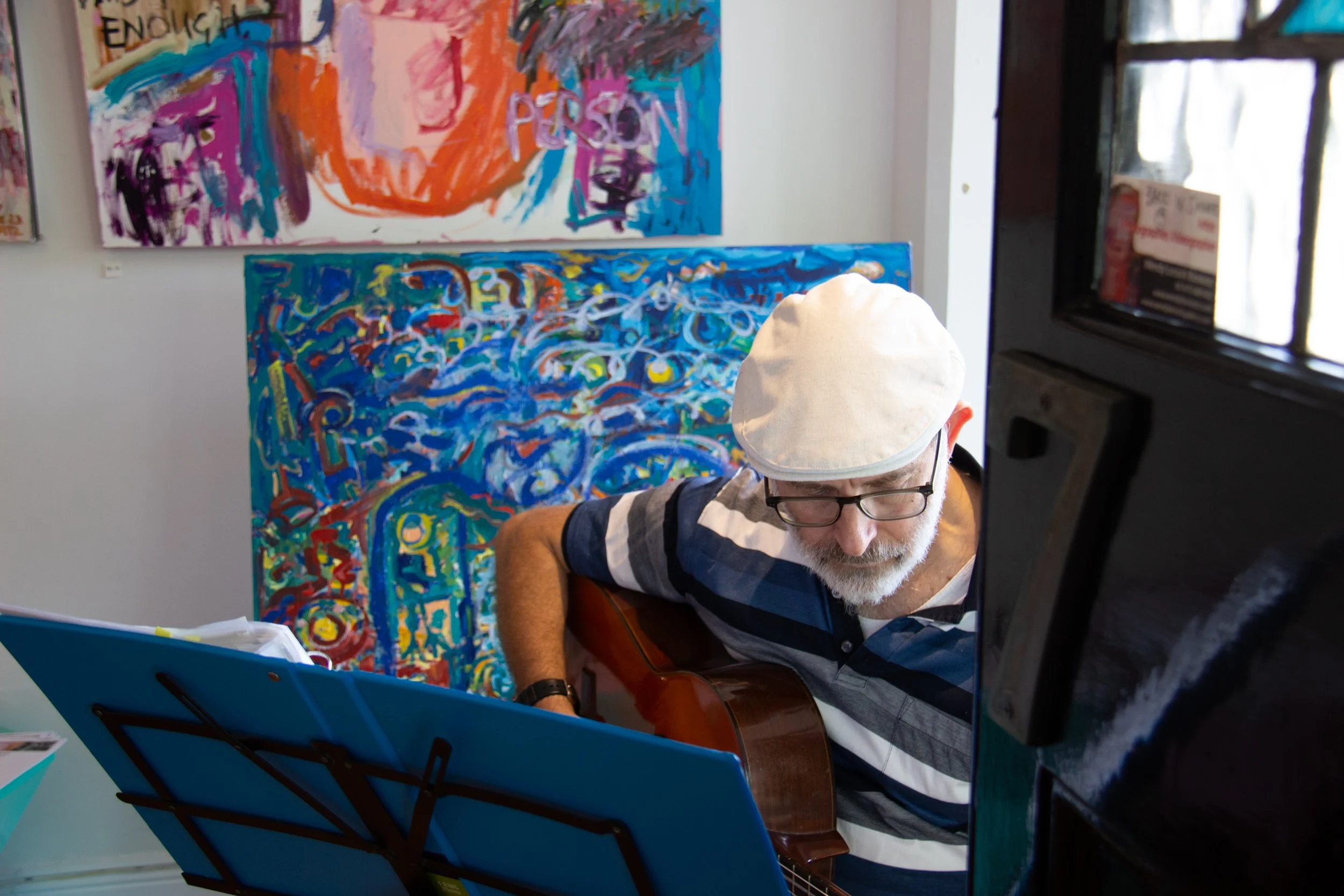
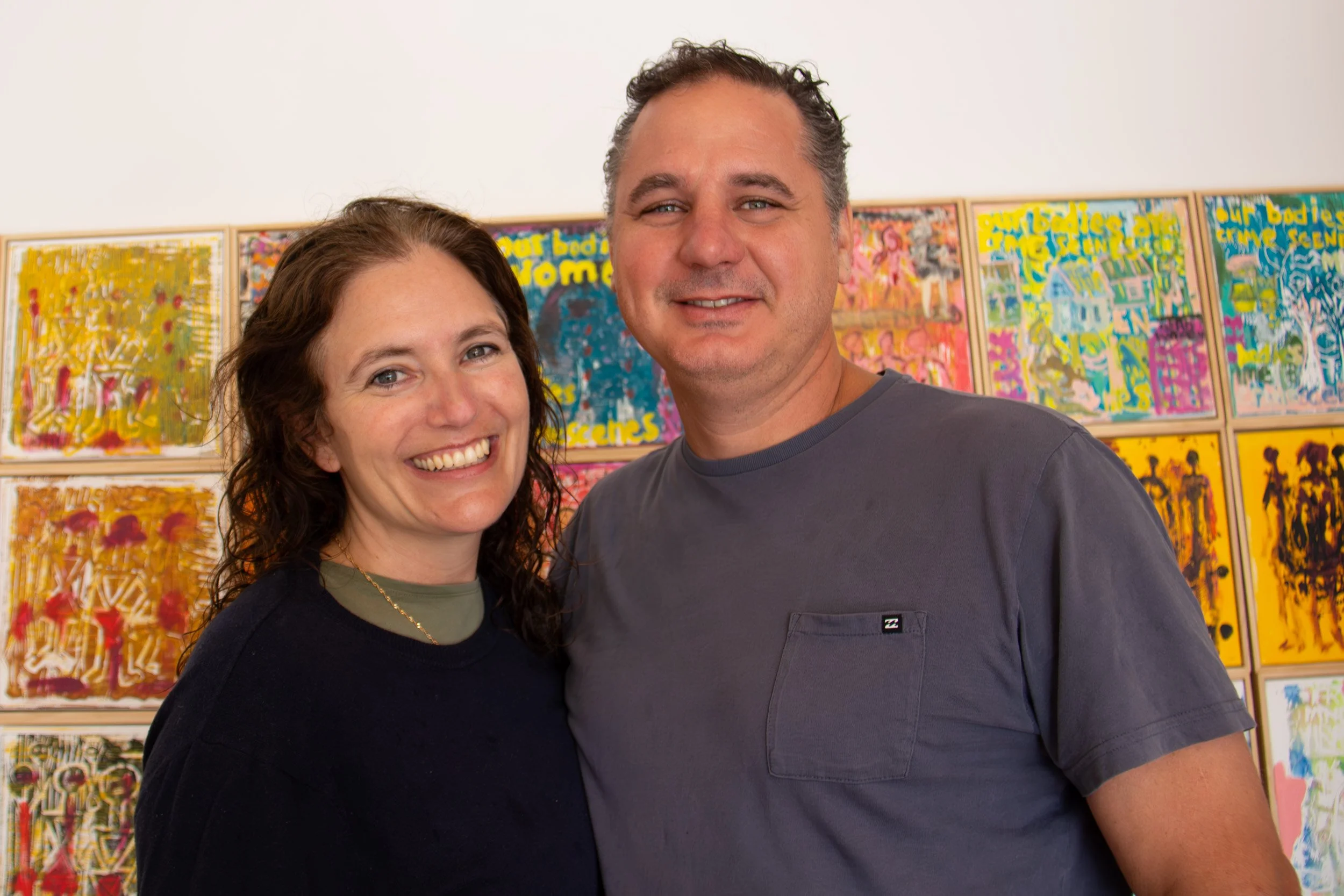
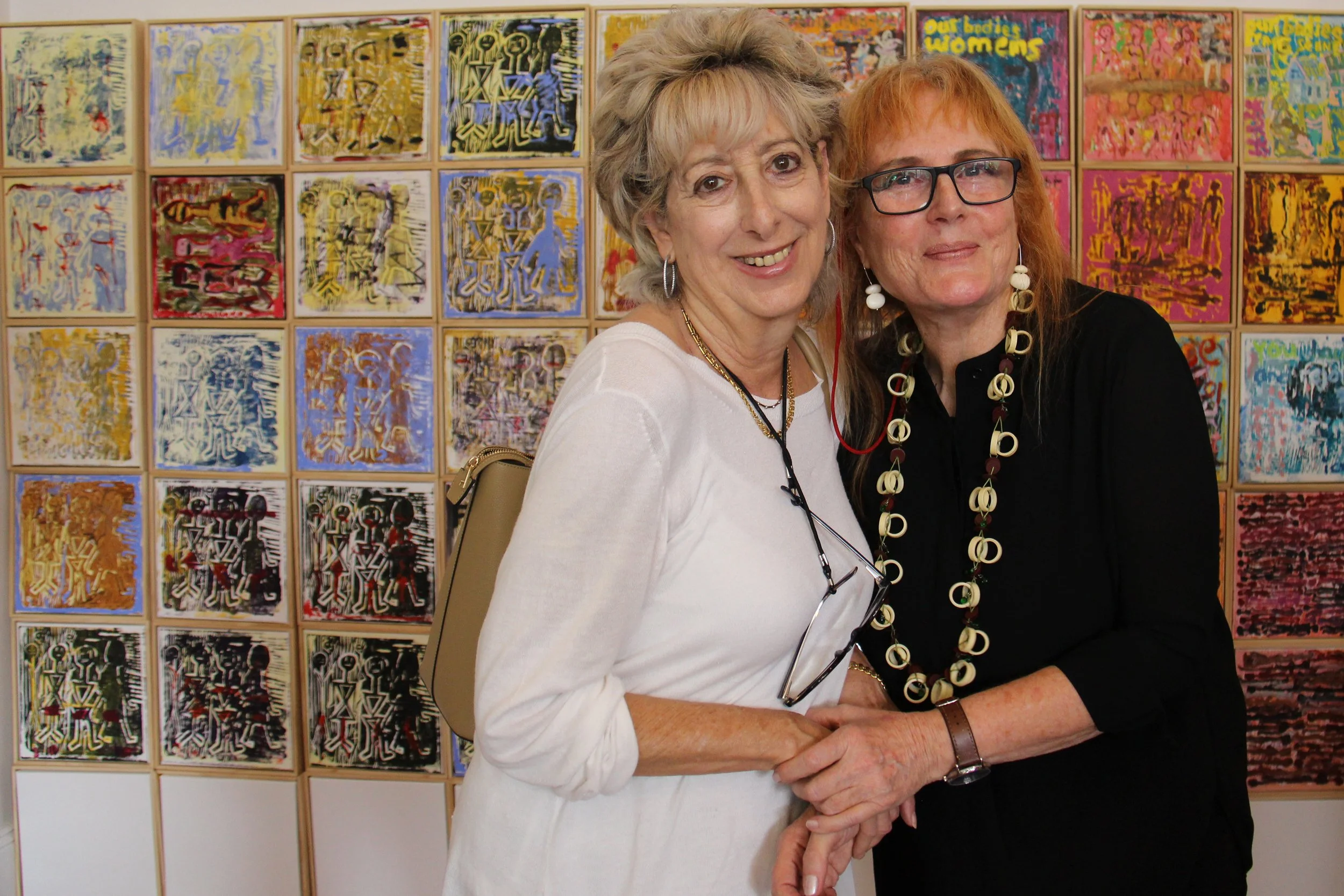
Photos taken at the opening, below.
I very much appreciate this wonderful write-up by Henry Benjamin, owner and journalist at J-Wire, WOMEN, POGROMS, LOVE https://www.jwire.com.au/women-pogroms-love/
Also a sincere thank you to Jessica Abelsohn, journalist at the Australian Jewish News, for her editorial TURNING ANCESTRAL PAIN INTO PAINTINGS OF PEACE https://www.australianjewishnews.com/turning-ancestral-pain-into-paintings-of-peace/
Henry Benjamin (J-Wire) also published a further piece, THREE PRESIDENTS AND AN MP https://www.jwire.com.au/three-presidents-and-an-mp/, spotlighting a photograph from the opening event.
May Her Memory Be A Blessing
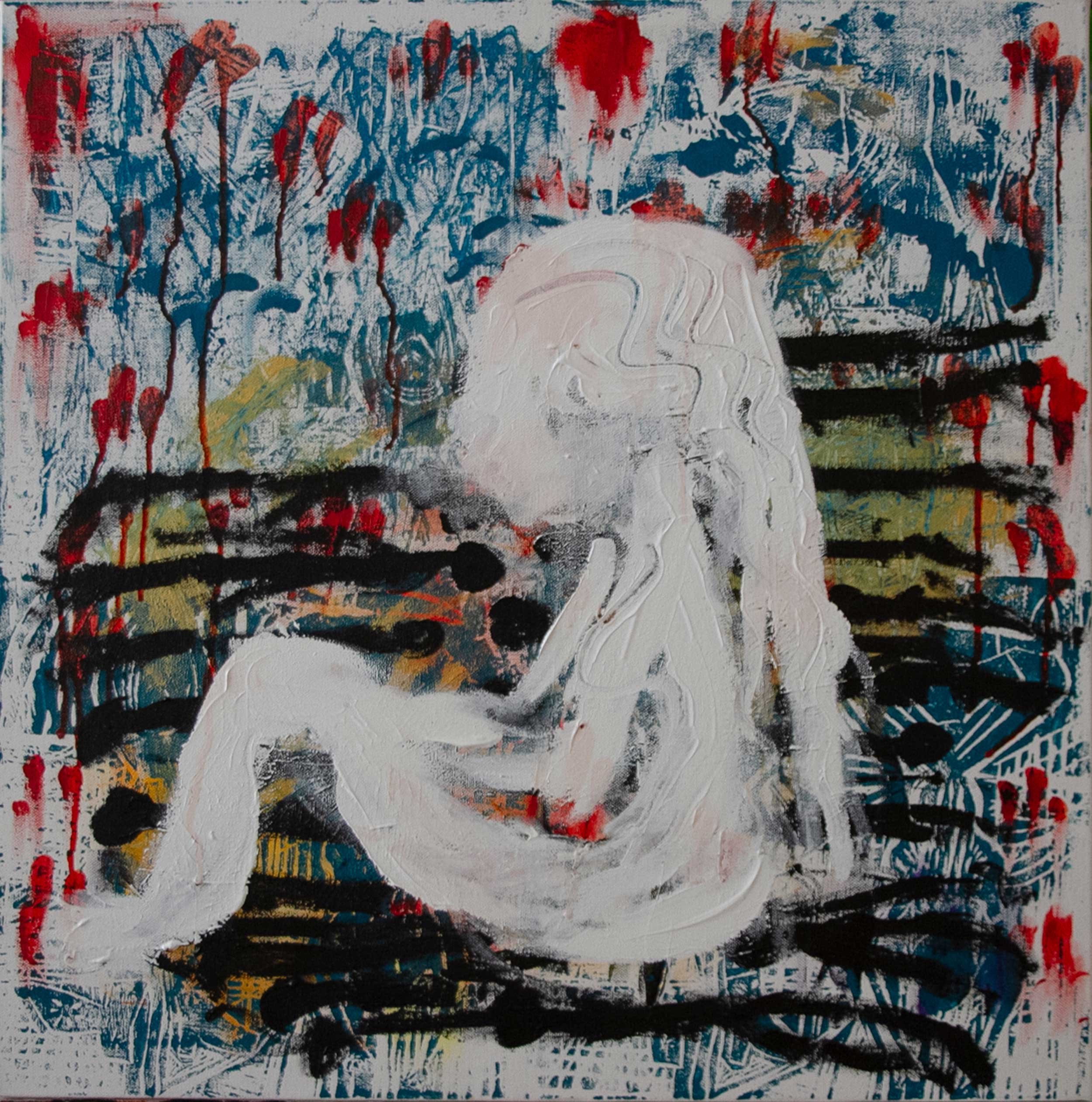
This painting is me imagining Sarah Chaya Krikst (1901-1918) in "shamayim", heaven. Although she is enveloped in light and peace, she sits amongst the other tens of thousands of Jewish women murdered in the pogroms. The red blotches signify blood, the murdered bodies are black. Chaya means "of light and love" in Yiddish, and I am hoping that the feeling of light and love, her presence painted in white, dims the darkness of murder and blood. I'm trying to make meaning from the sorrow of our loss. "May Her Memory Be A Blessing". To say this is a traditional Jewish way to honour and remember a person who has passed away.
2025 60cm x 60 cm Acrylic On Canvas
The video above features 26 paintings created in memory of Sarah Chaya Krikst (1901-1918). Music by CHUTNEY “Odessa Bulgarish”.
L O V E
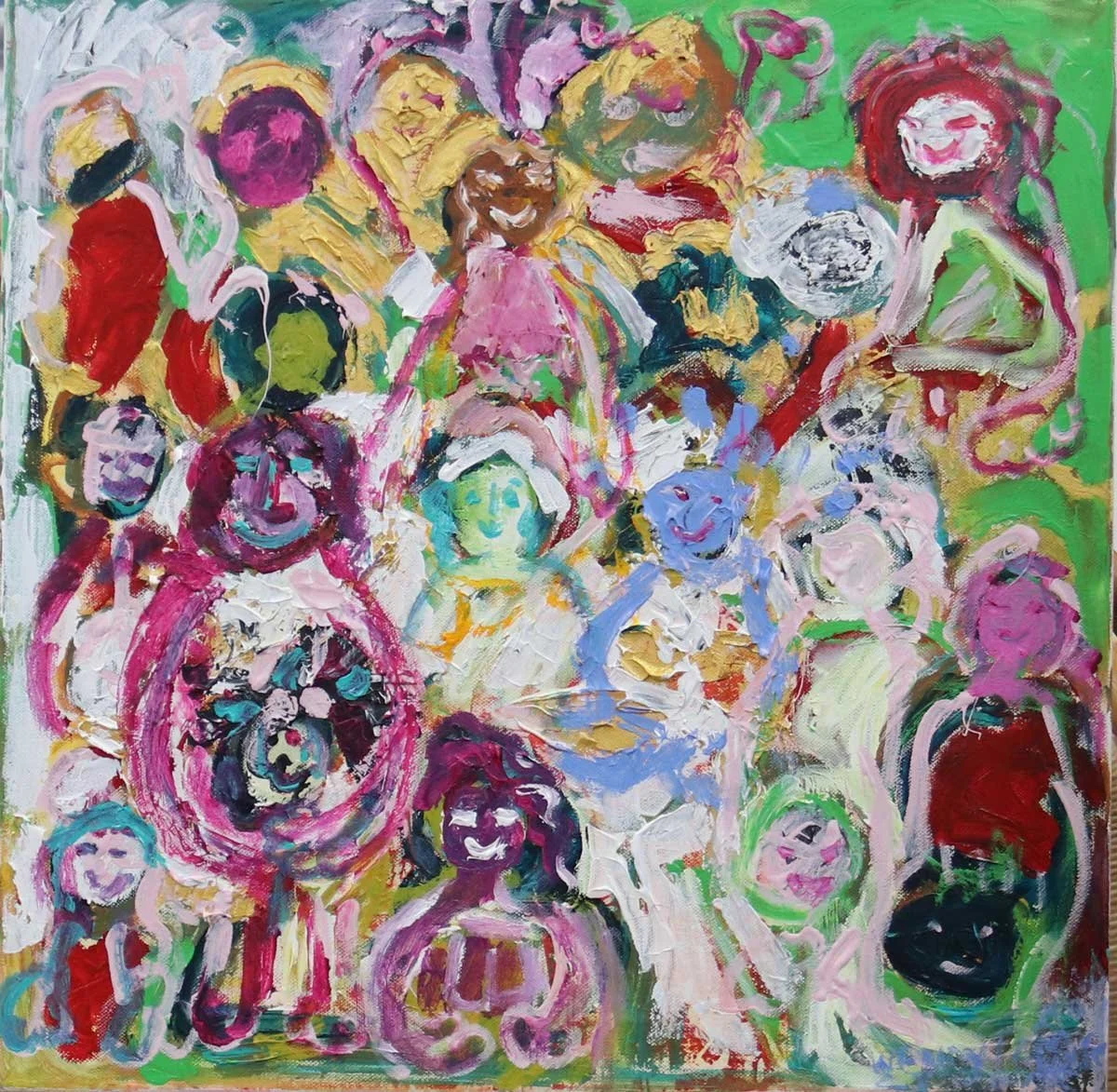
I love people, well, most people … some people, so my paintings of love will have to be about people, lots of people. Some people. Love 1, 2025. Acrylic on Canvas 50cm x 50cm.
L O V E
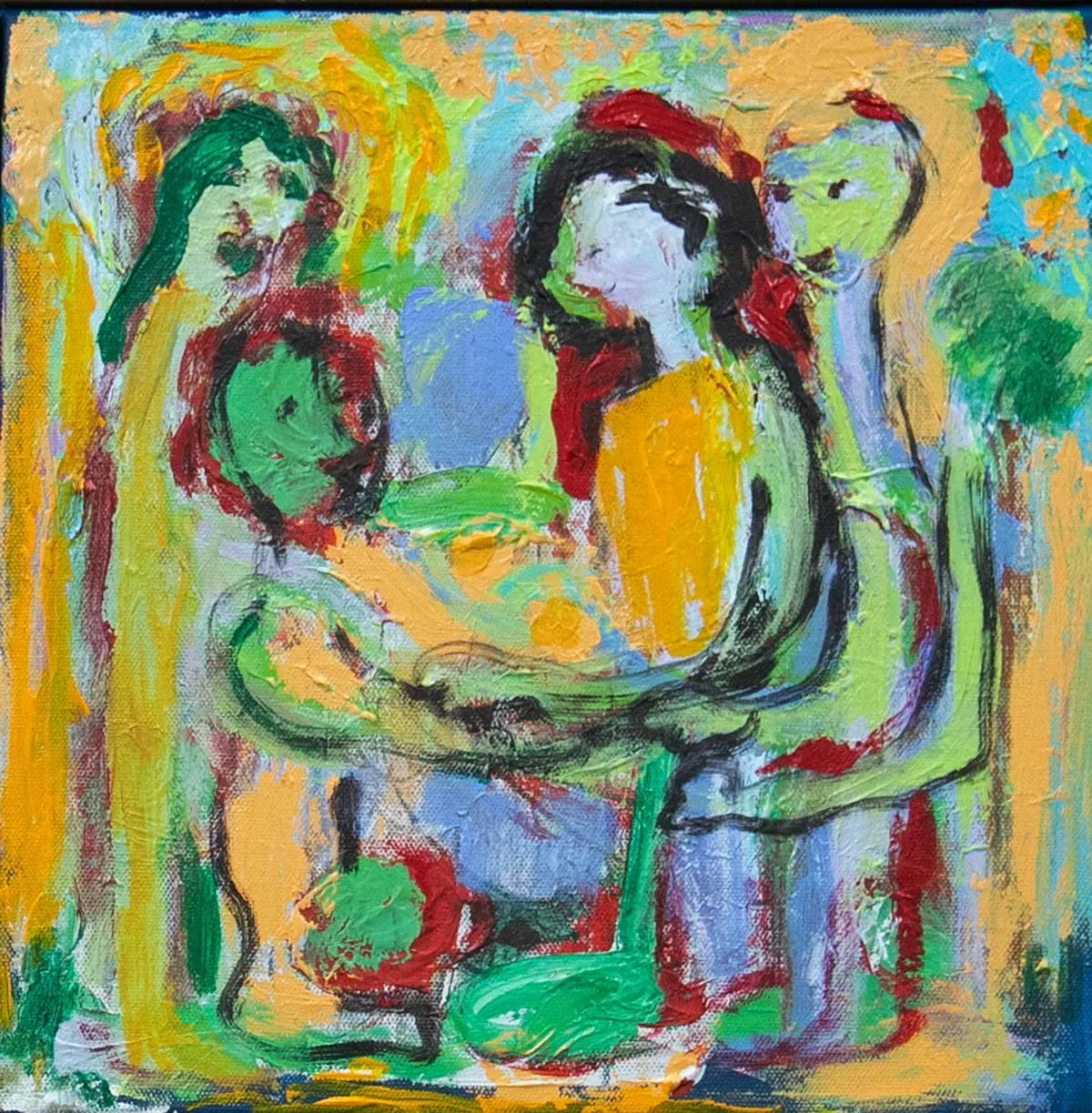
Acrylic on Canvas 30cm x 30cm.
L O V E
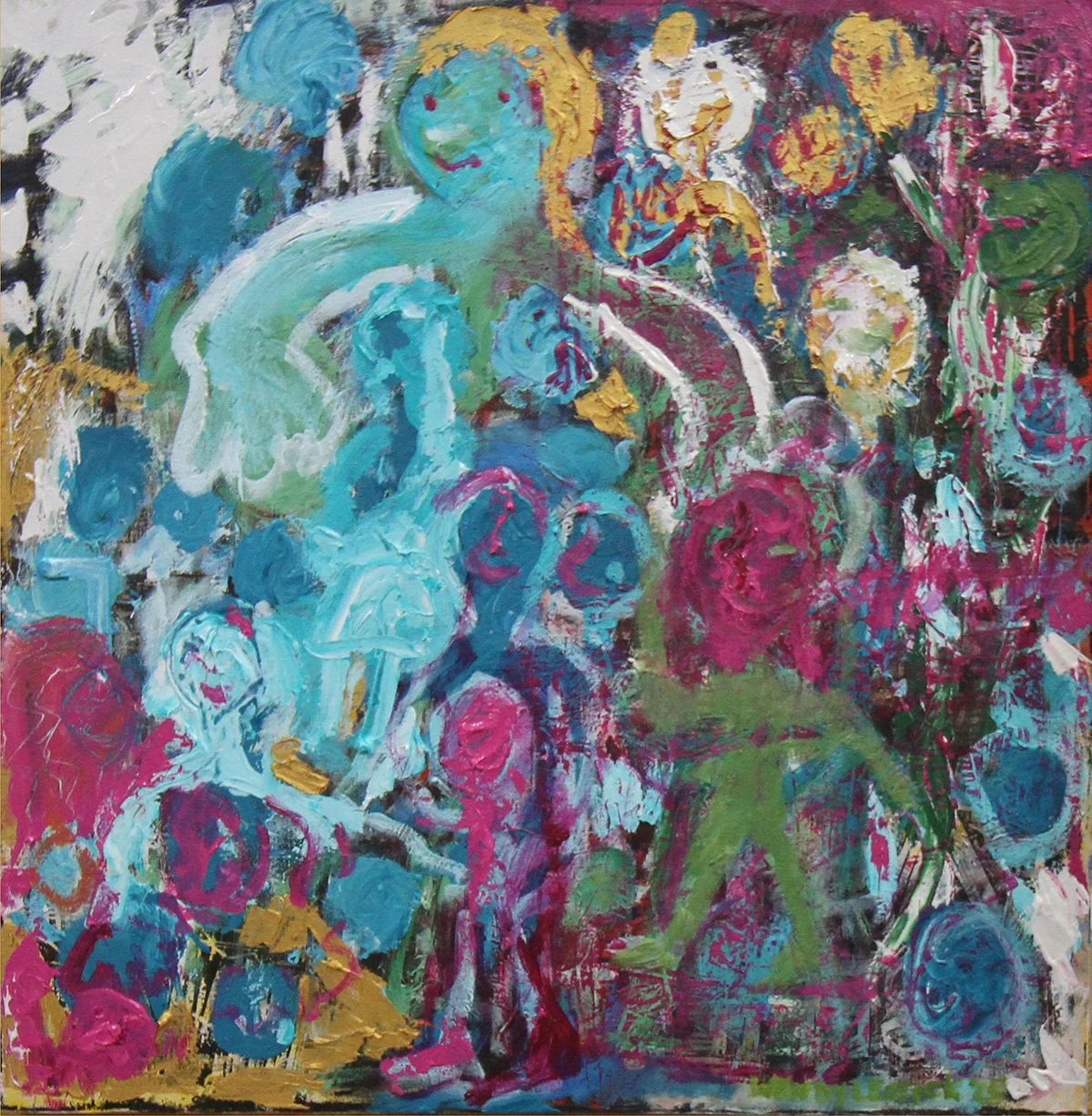
Acrylic on Canvas 50cm x 50cm.
Self Portrait with my Bubbee Ethel & her sister Sarah Chaya. Silence was their language.
Femicide, the killing of a woman or girl, in particular by a man. STOP.
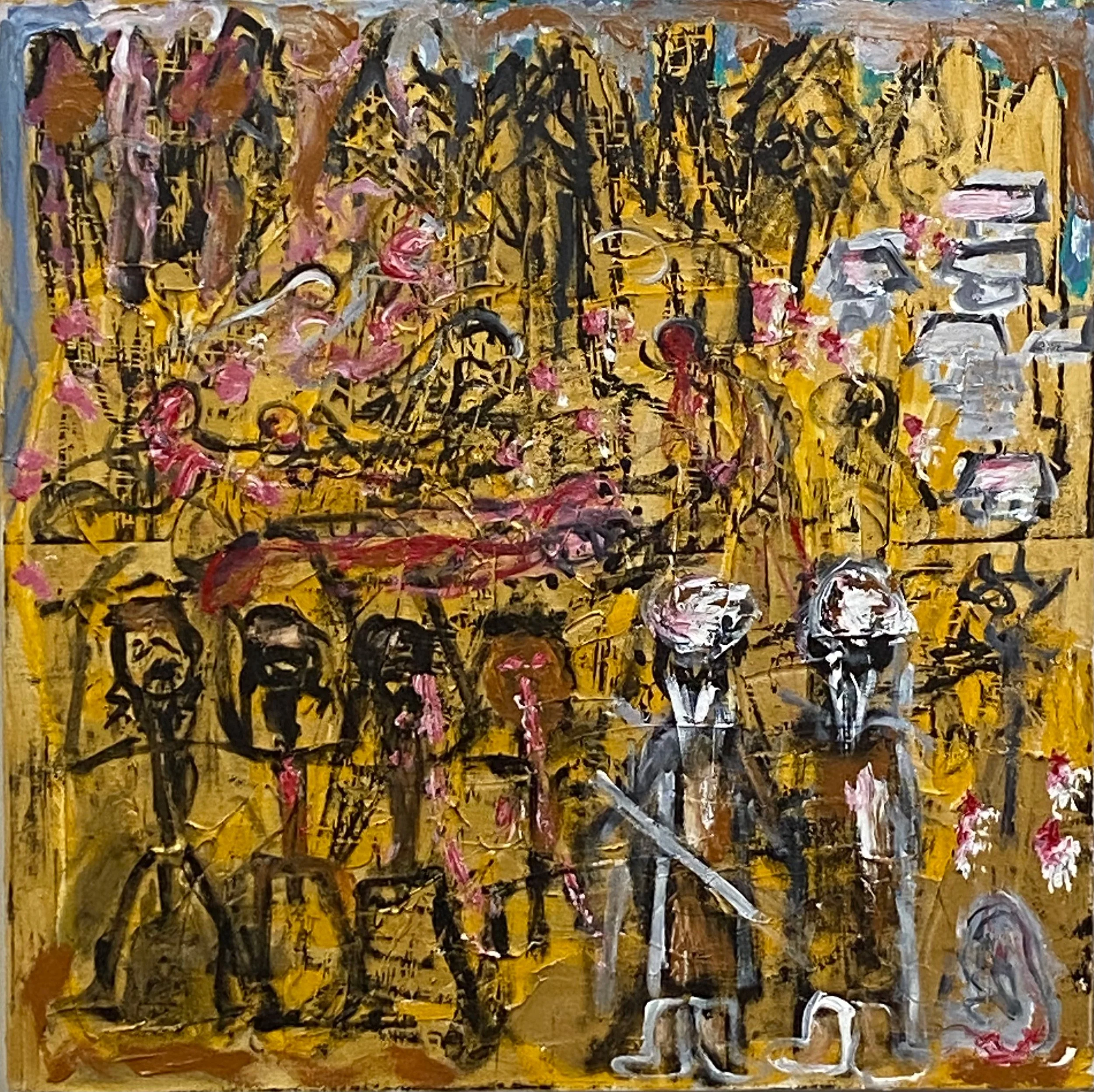
And Then It Was The Turn Of The Cossacks 2025
60cm x 60cm Acrylic on Canvas
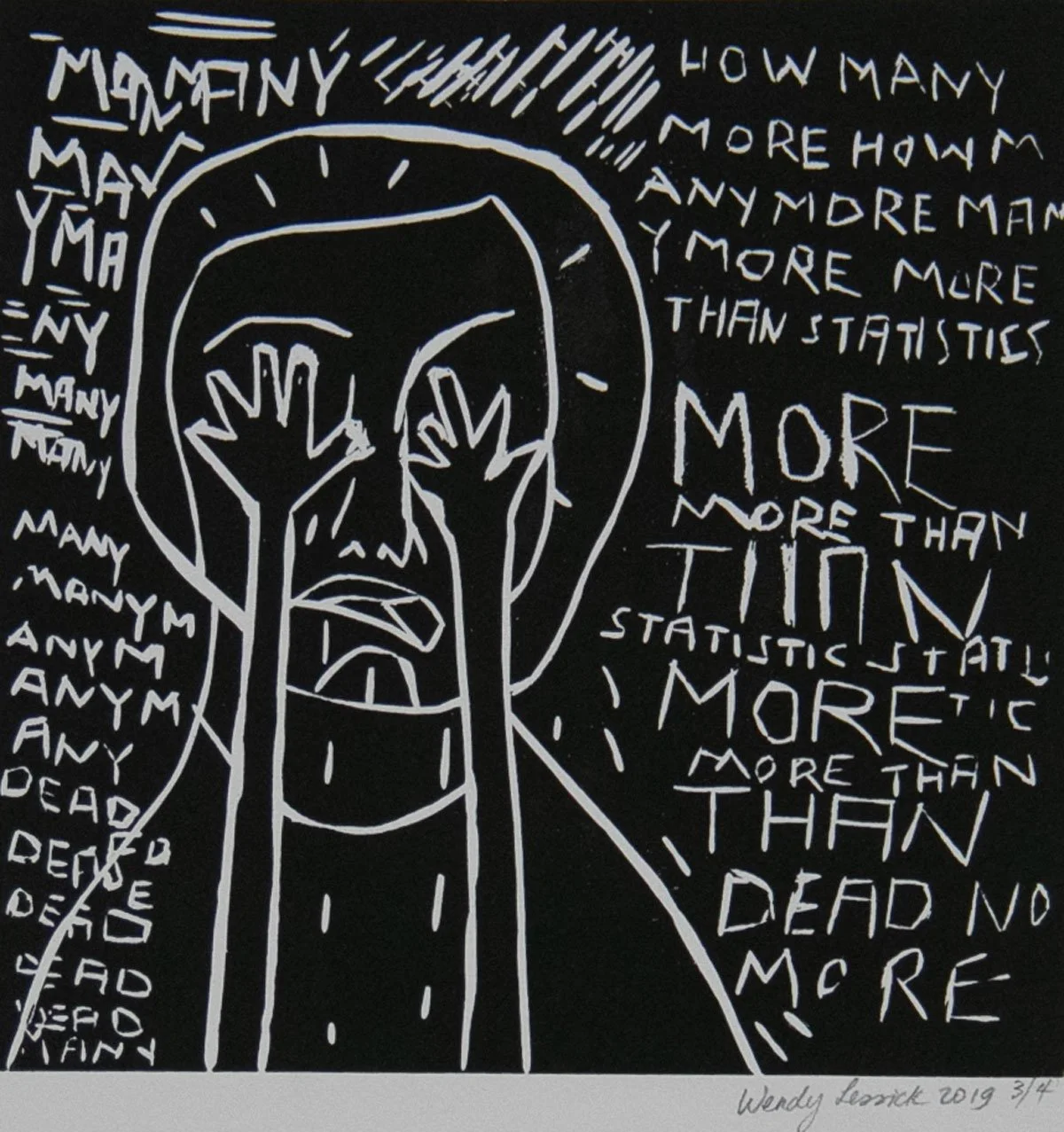
LOVE
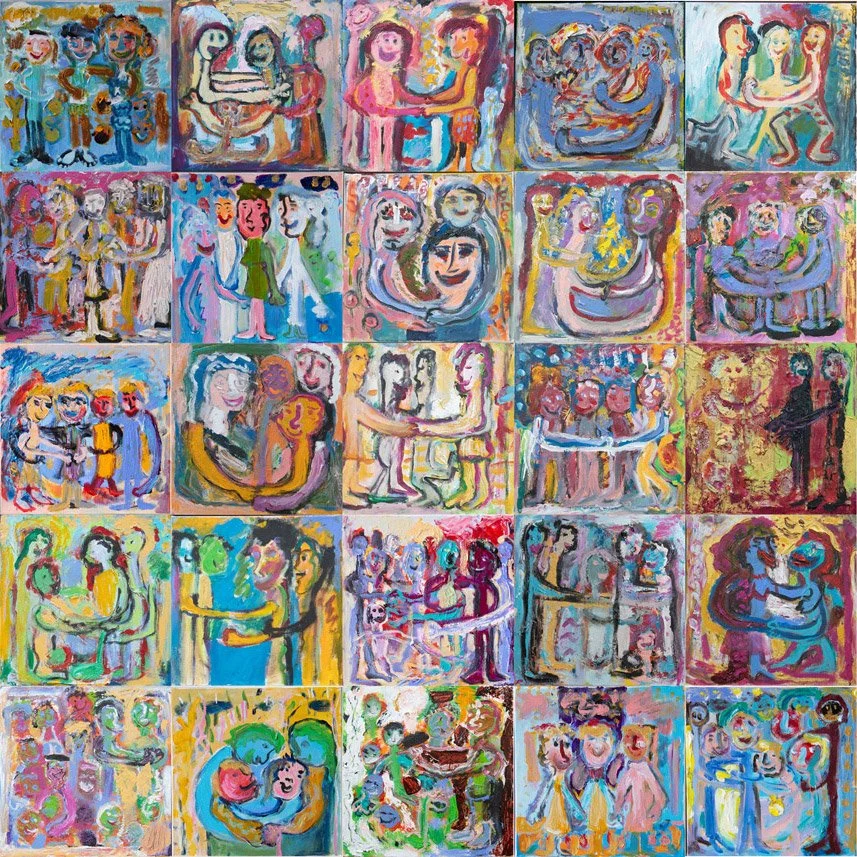
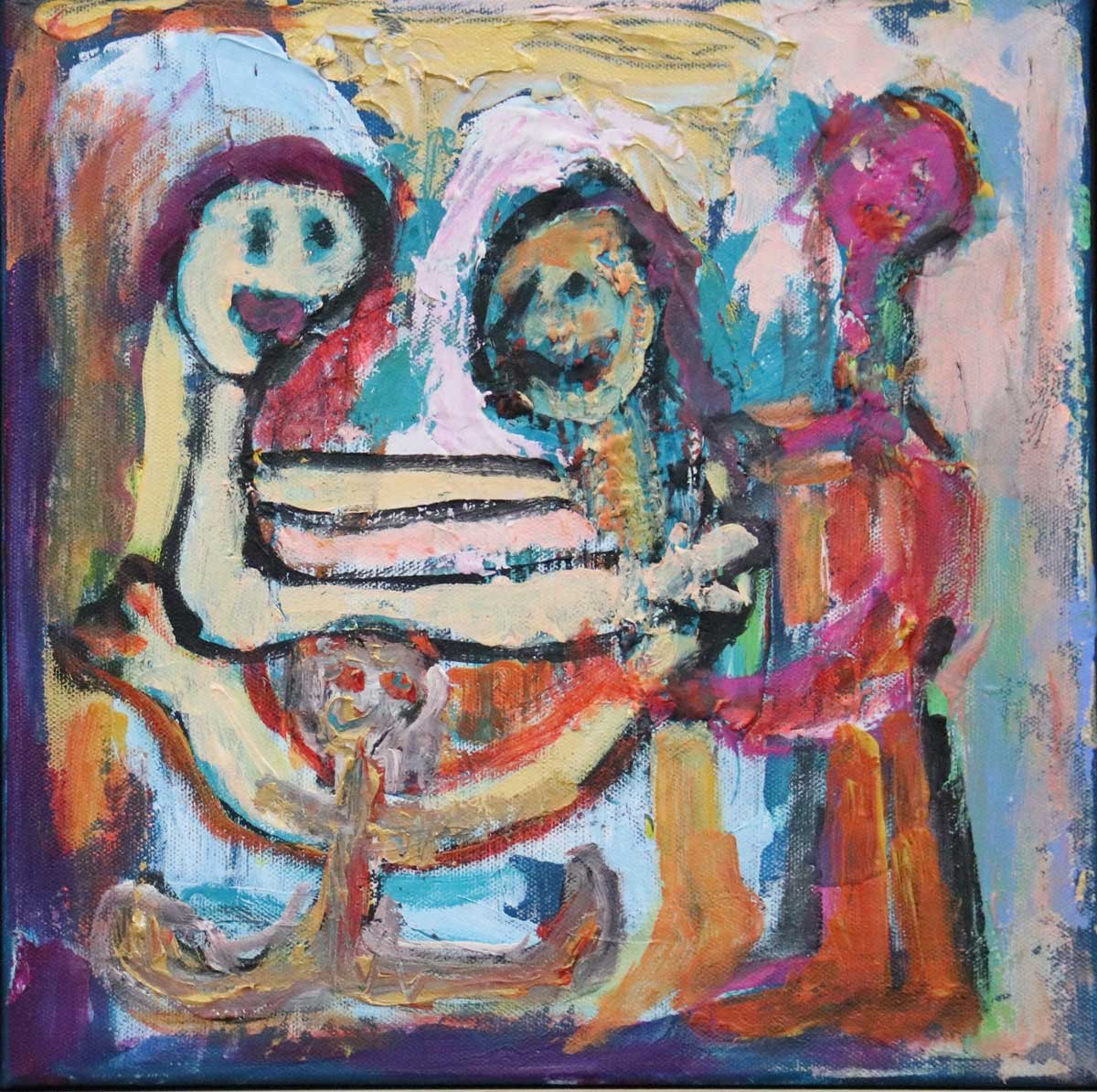
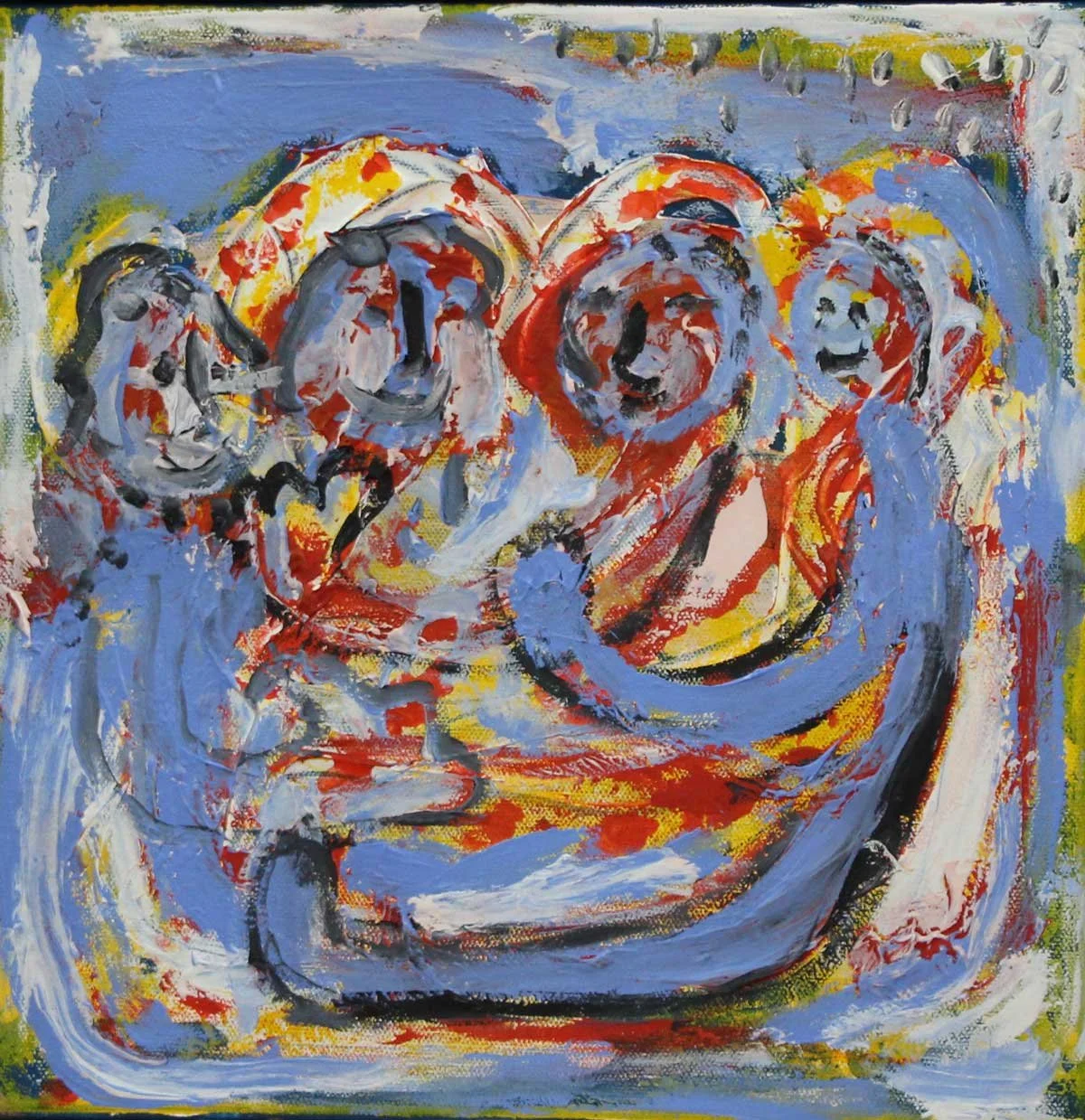
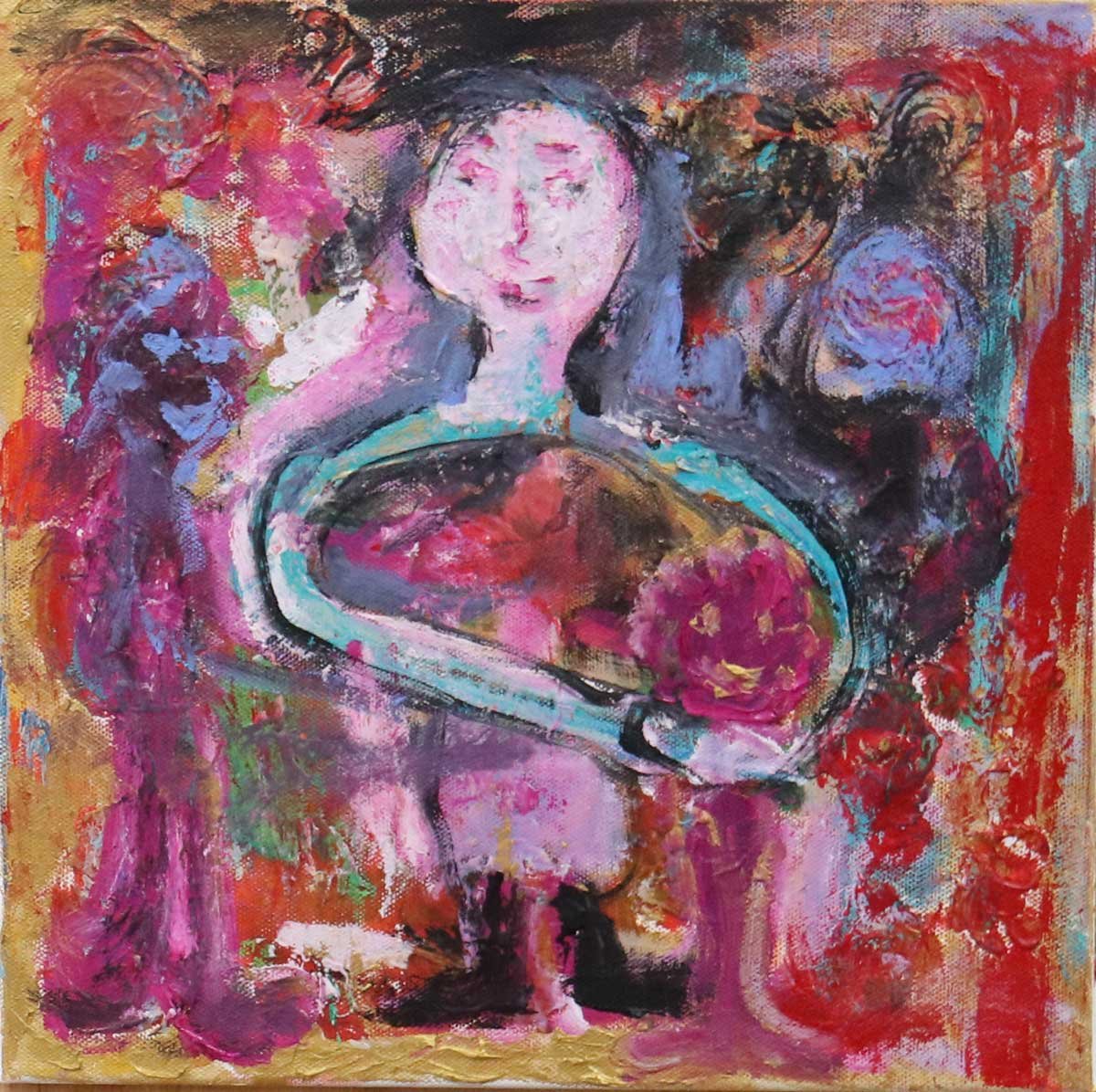
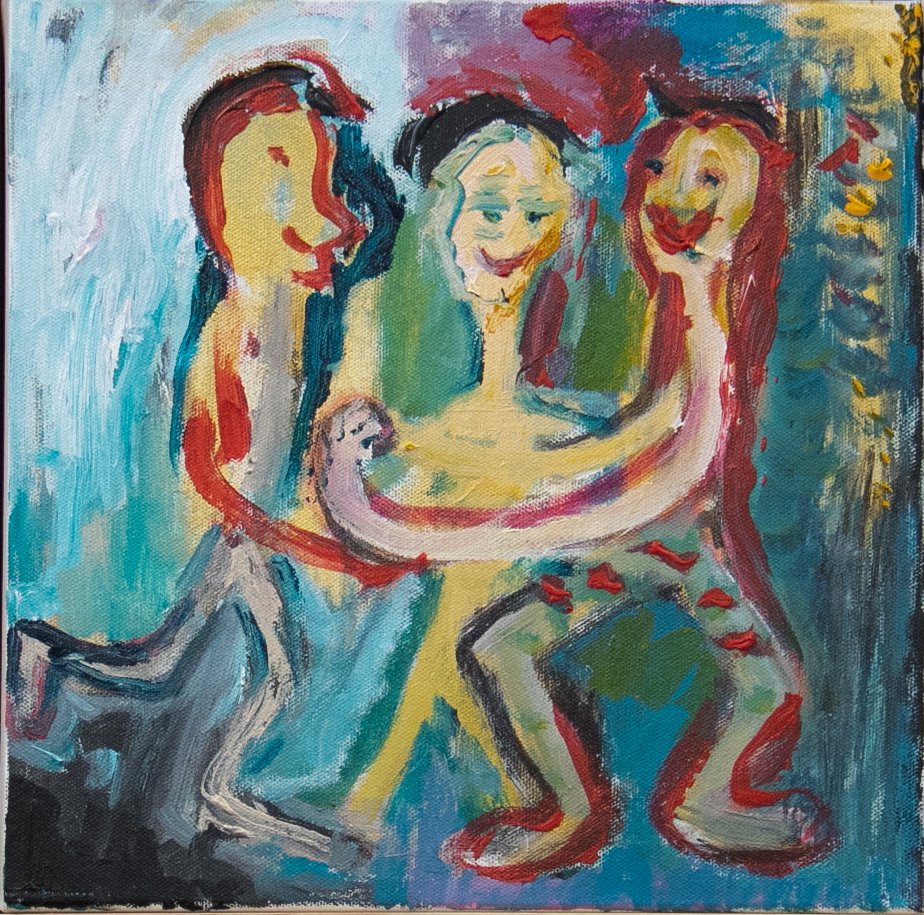
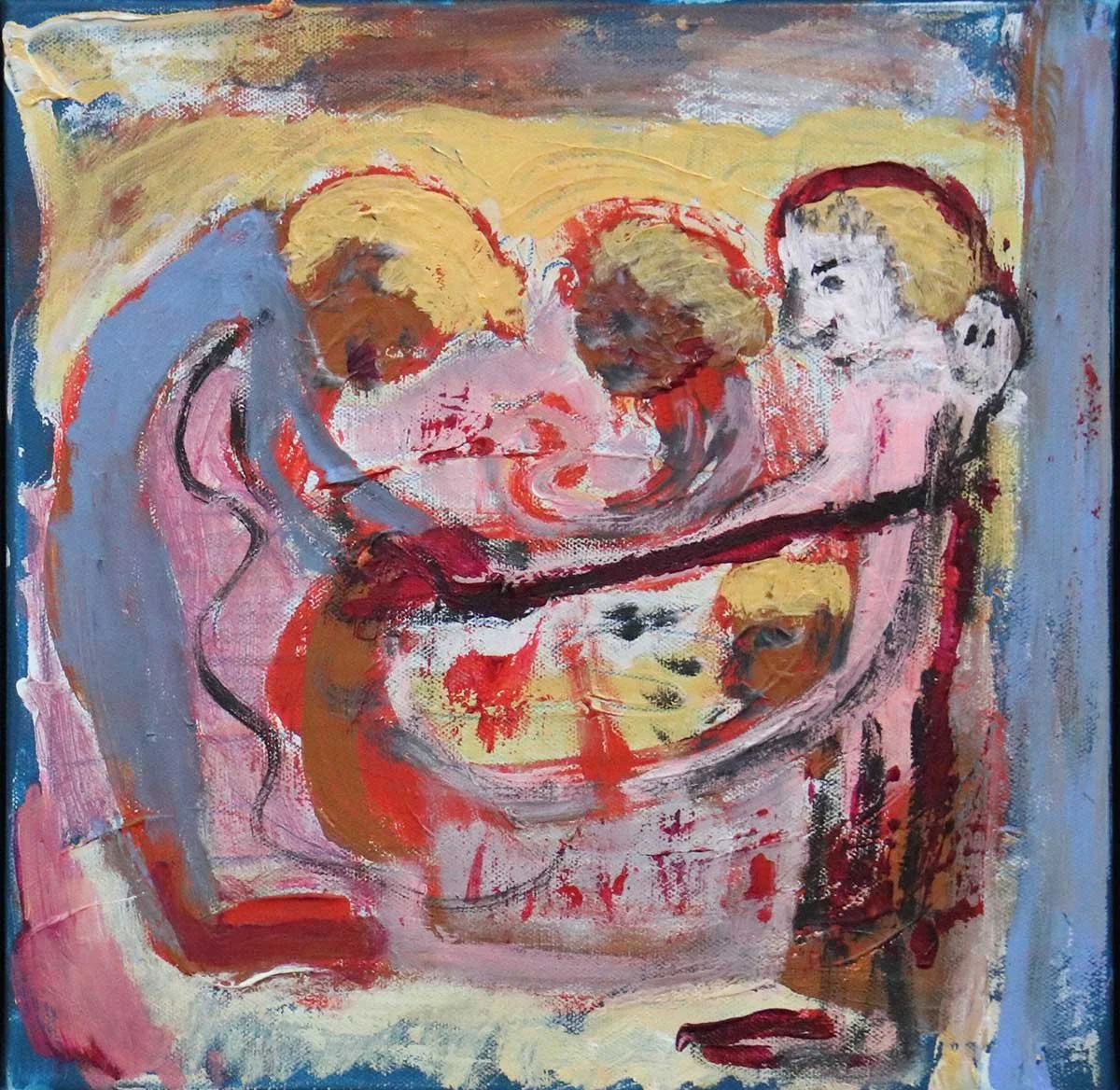
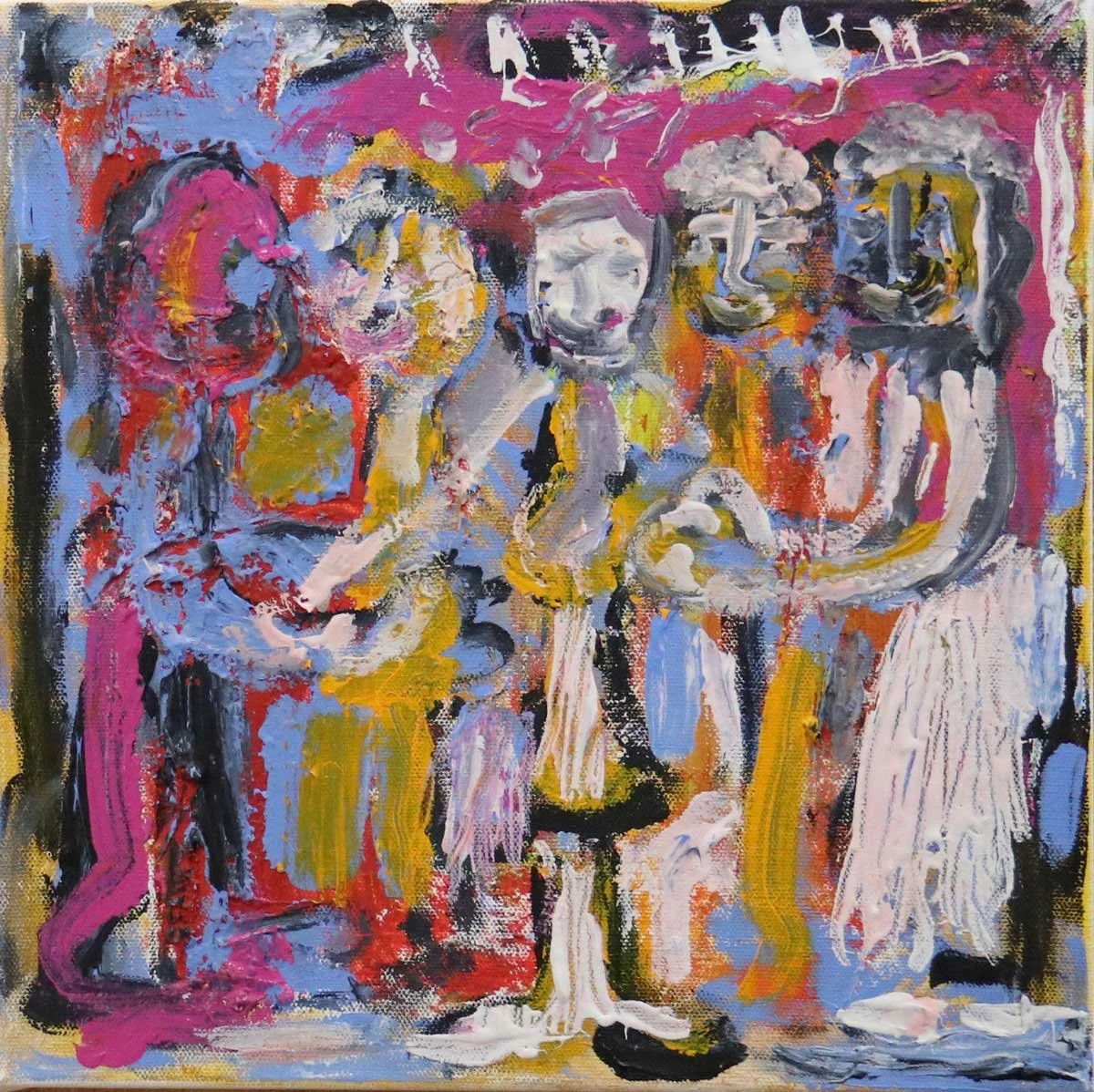
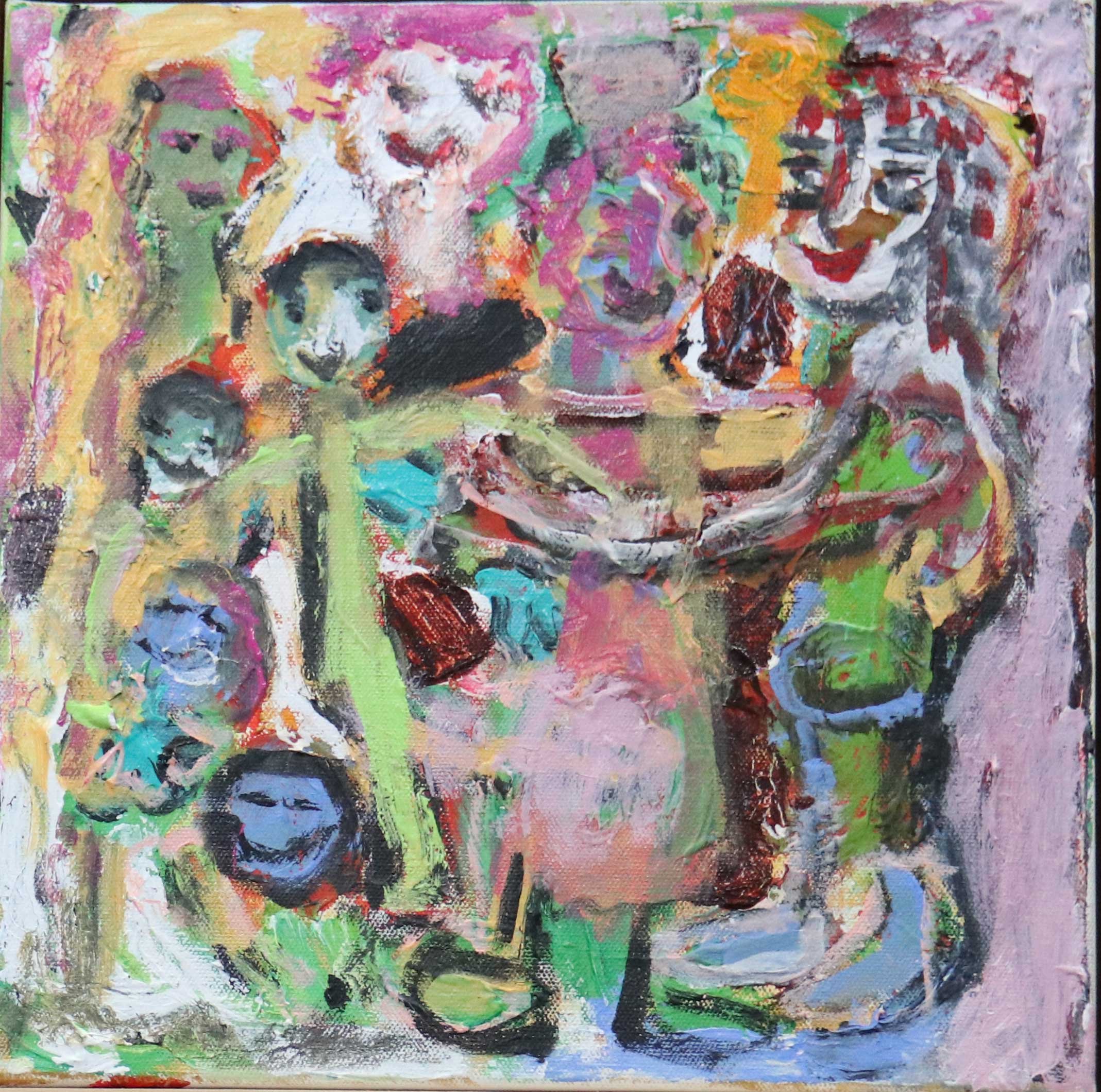
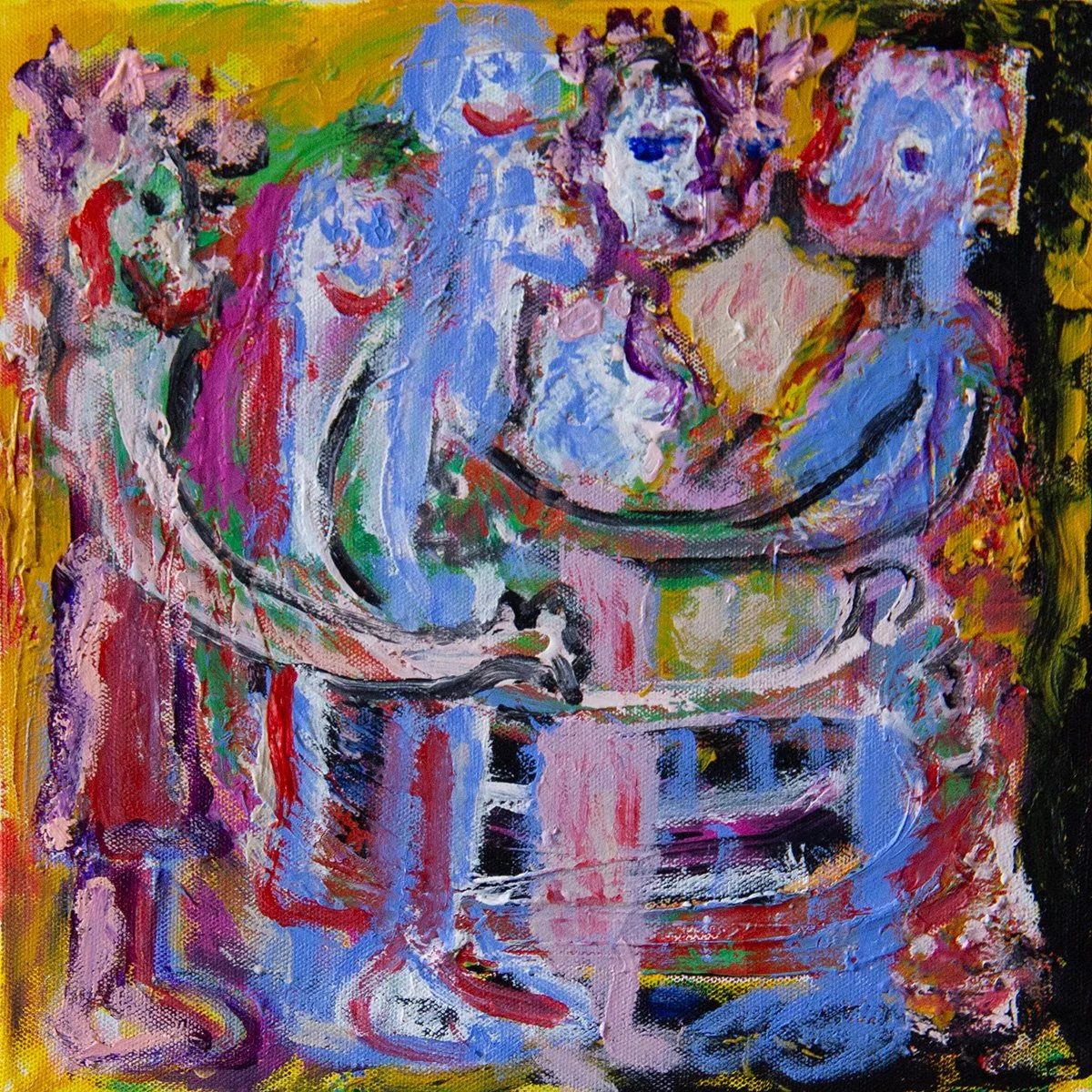
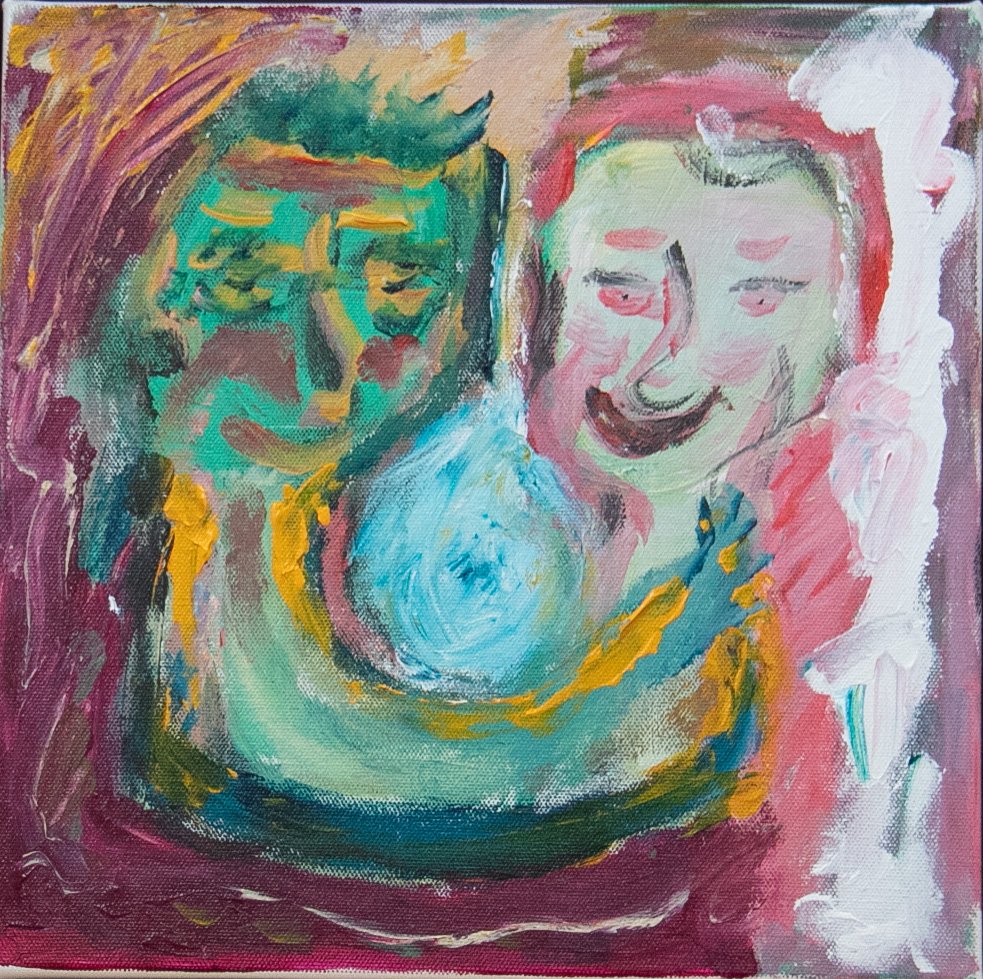
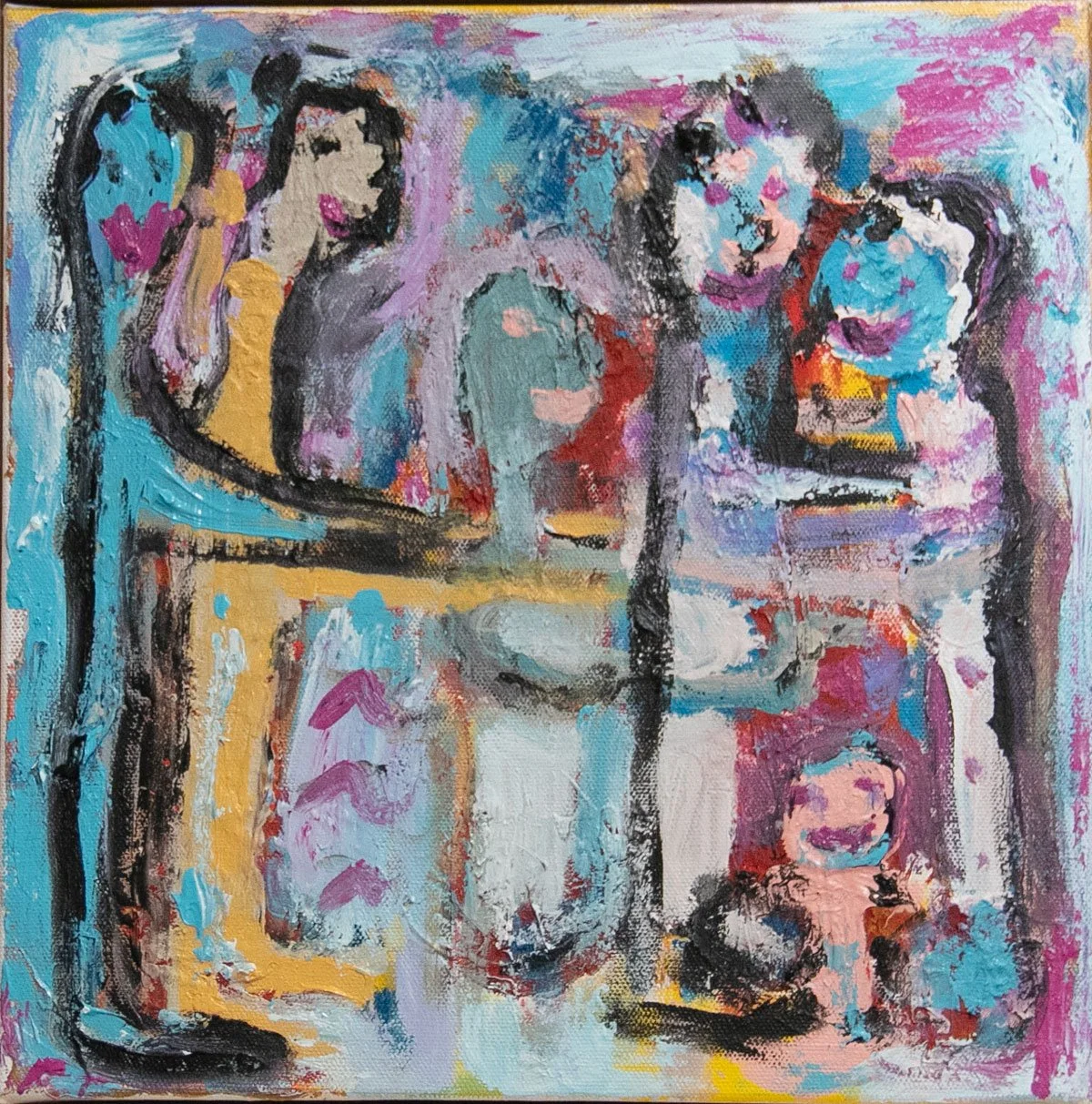
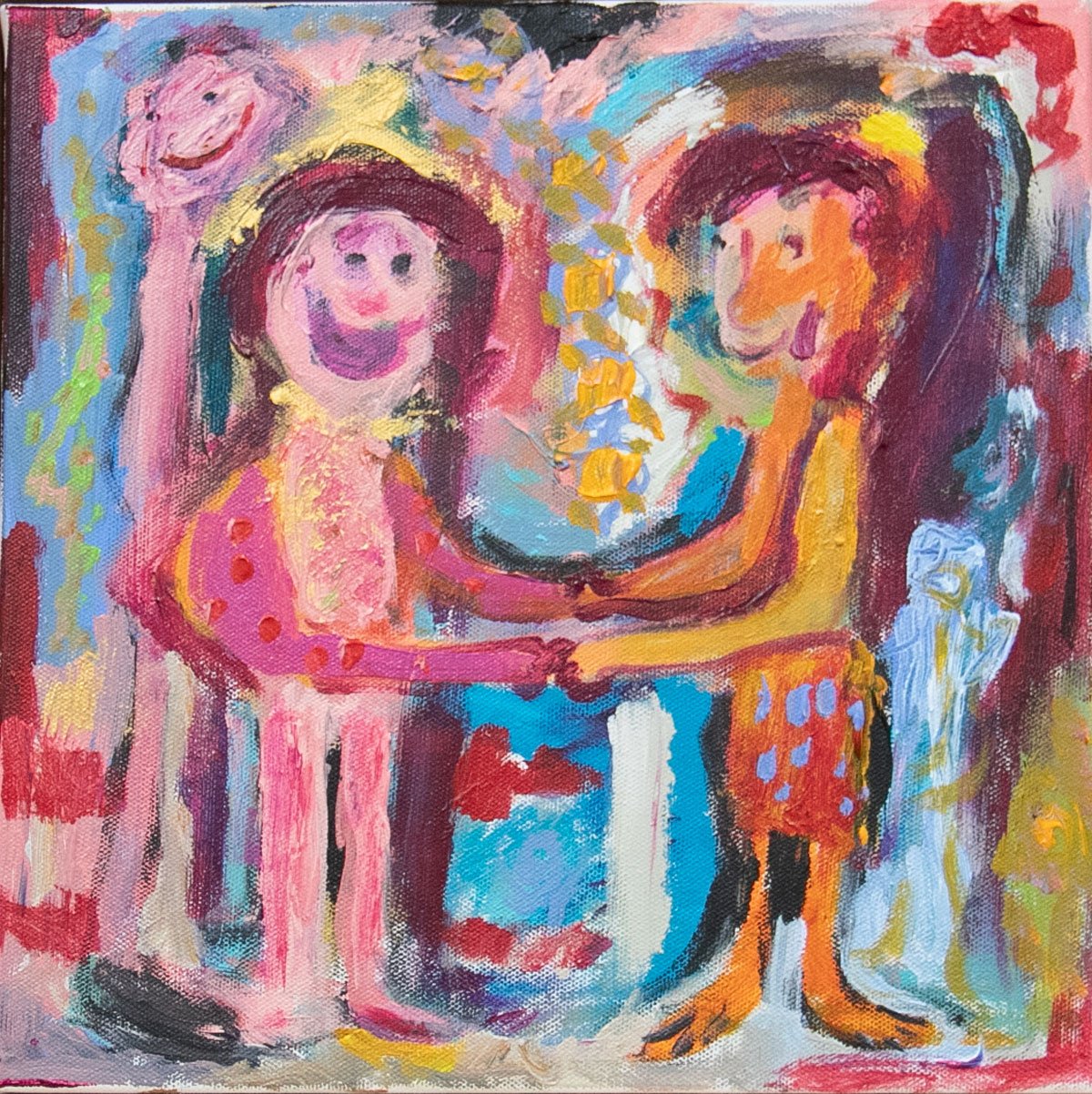
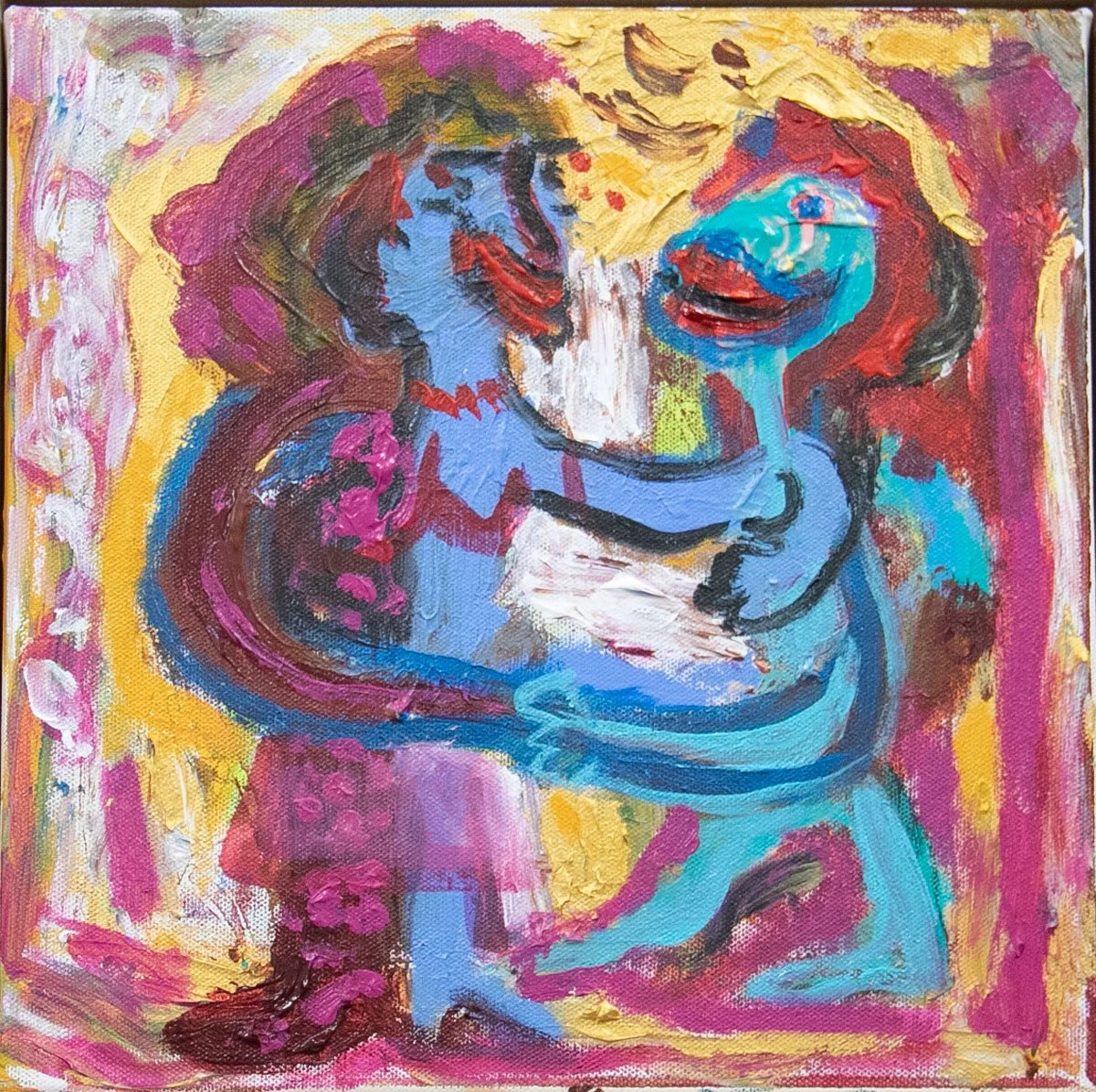
These are 25 of the 31 LOVE paintings I showed at my exhibition. I did not find it easy to create these paintings, even though they are 30cm x 30cm, not much bigger than an A4 sheet of paper. For those who know me, the past few years have been difficult, & creating light bright paintings did not come easily.
-
![]()
Love 30cm x 30cm
-
![]()
Love 30cm x 30cm
-
![]()
Love 30cm x 30cm
-
![]()
Love 30cm x 30cm
-
![]()
Love 30cm x 30cm
-
![]()
Love 30cm x 30cm
-
![]()
Love 30cm x 30cm
-
![]()
Love 30cm x 30cm
-
![]()
Love 30cm x 30cm
-
![]()
Love 30cm x 30cm
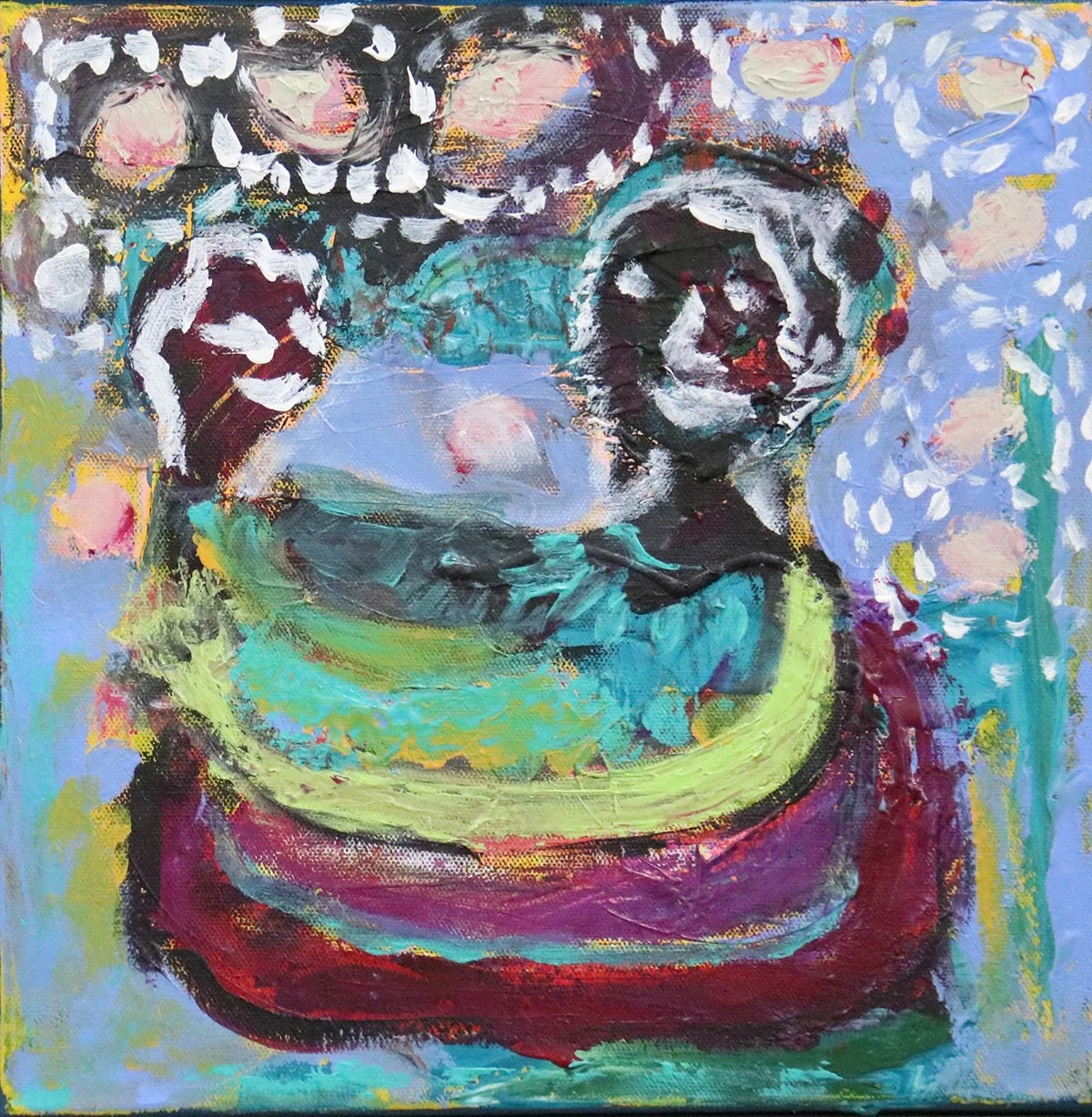
-
![]()
Love 30cm x 30cm
-
![]()
Love 30cm x 30cm
-
![]()
Love 30cm x 30cm
-
![]()
Love 30cm x 30cm
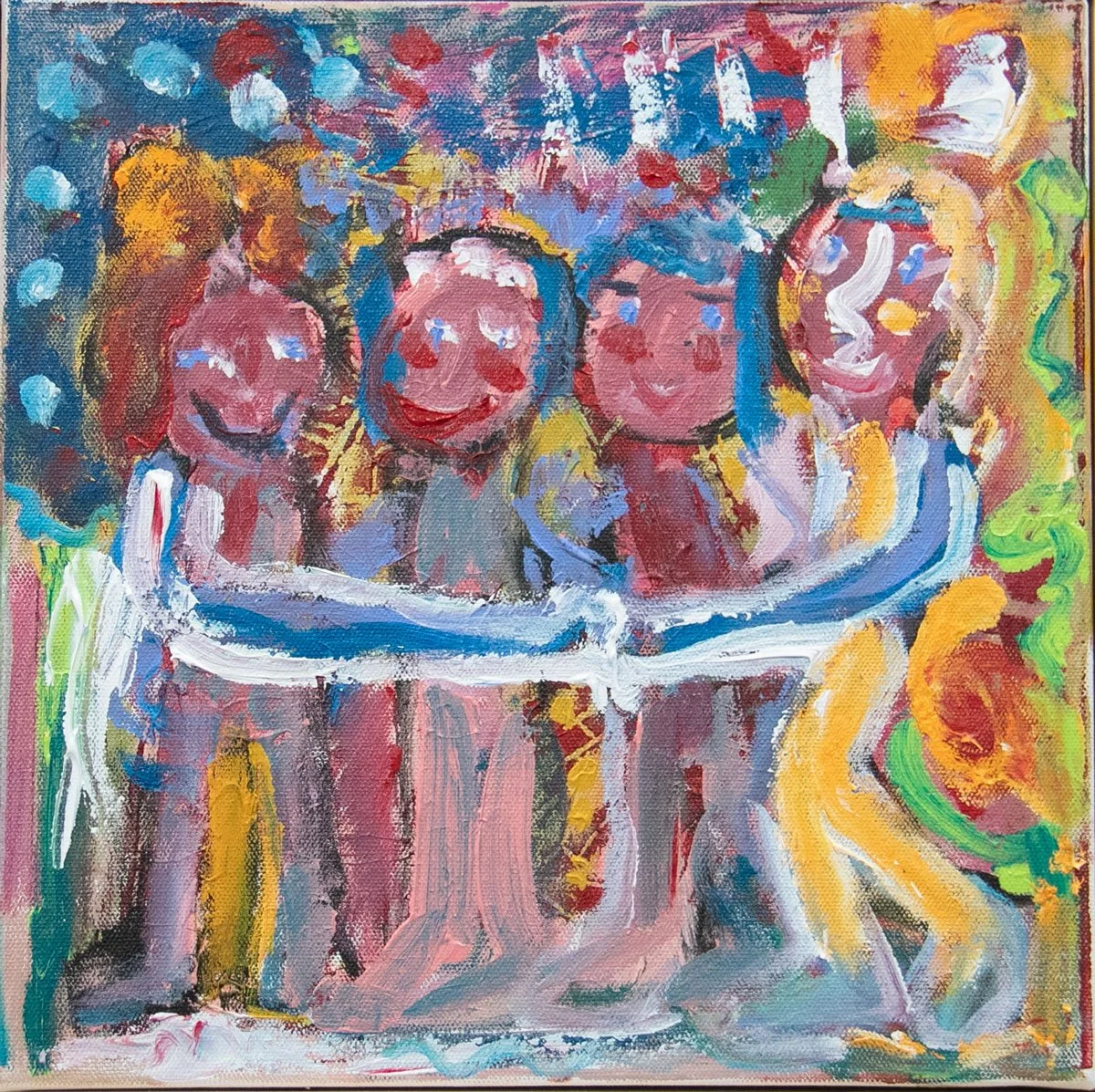
-
![]()
I'm Sorry Francine
-
![]()
Francine Lazarus OAM